分类: Industry Trends & News

  • The Automotive Advantage: How 5-Axis CNC Machining Accelerates Prototyping and Production of Molds

    Understanding 5-Axis CNC Machining in Automotive Mold Development
    Why Automotive Molds Demand High Precision and Complexity

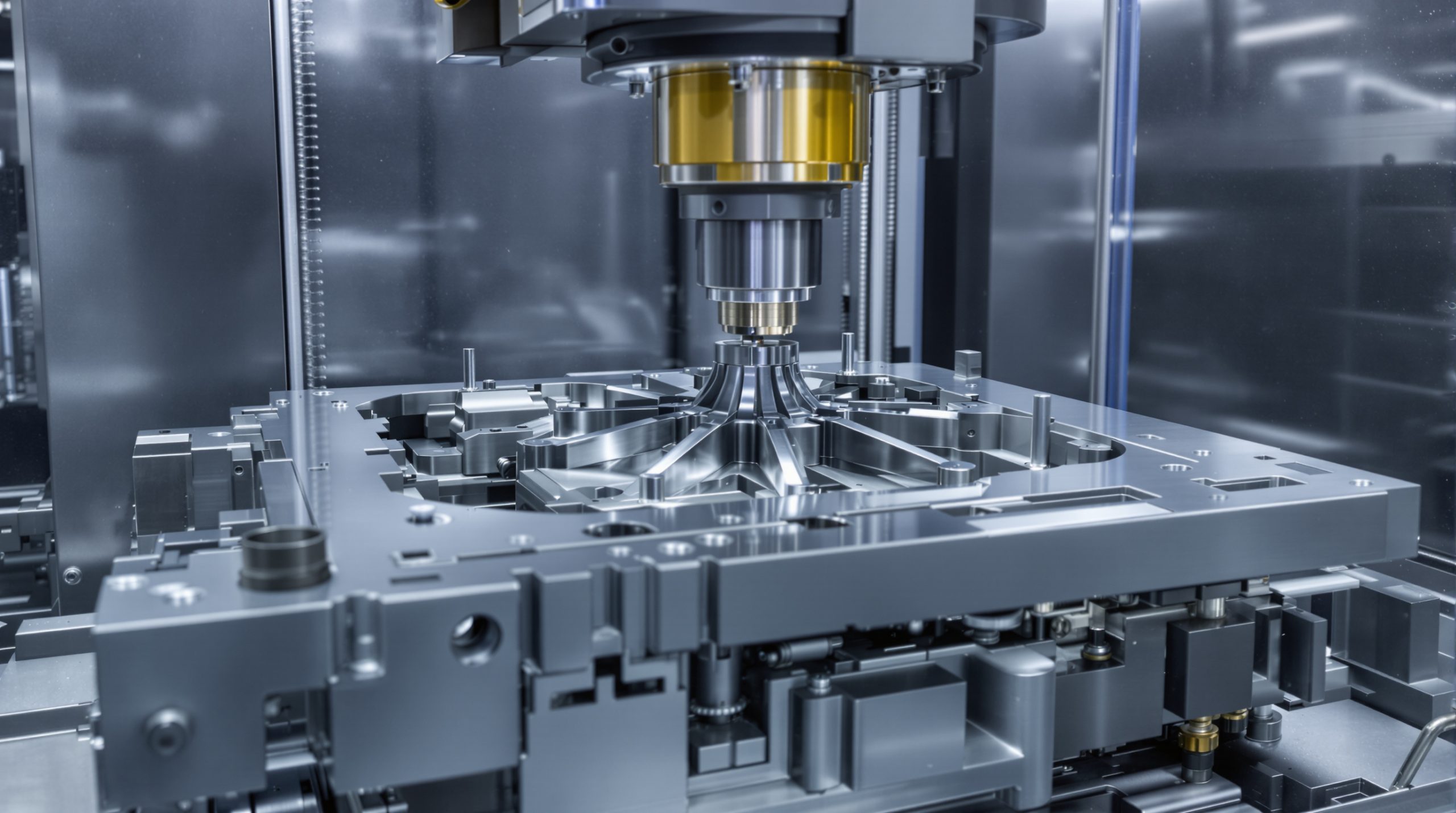
    For automotive molds, getting those tolerances below 20 microns is pretty much essential if we want consistent parts across the board. Components such as cylinder heads, intake manifolds, and even lighting housings demand this level of precision. The problem comes when dealing with complex shapes like angled cooling channels, really thin walls, and those smooth aerodynamic surfaces. Standard 3-axis systems just can’t handle these demands anymore. When things go wrong, what typically happens? Flash defects appear, walls end up too thick in some spots and too thin elsewhere, and parts sometimes fail way before their time. Looking at recent research from 2023 about manufacturing tech, it turns out almost 60% of all issues with automotive molds actually trace back to poor machining accuracy. That statistic alone makes a strong case for why manufacturers are increasingly turning to 5-axis CNC machines with their better control over three dimensional space.

    How 5-Axis CNC Enables Single-Setup Machining of Complex Geometries

    By rotating the workpiece or cutting tool across two additional axes, 5-axis CNC machines eliminate manual repositioning for undercuts, draft angles, and contoured surfaces. This reduces setup changes by up to 70% compared to 3-axis systems, as shown below:

    Parameter 3-Axis Machining 5-Axis CNC Machining
    Average setups per mold 4–6 1
    Tool reach limitations High Minimal
    Cycle time reduction Baseline Up to 40%

    Continuous toolpath optimization maintains consistent tool engagement, minimizing vibrations and preserving surface quality.

    Integration with Digital Twin and CAD/CAM for Smarter Mold Design

    The latest 5 axis workflow combines CAD CAM programs with digital twin tech so engineers can test how molds will perform before actually cutting metal. With these tools at their disposal, professionals are able to foresee issues like heat warping, coolant distribution problems, and force calculations during ejection. This has cut down on prototype cycles by around 30 something percent according to recent studies. When making real time changes to cutting paths using simulation feedback, precision improves dramatically. The benefits are particularly noticeable when dealing with tough stuff like H13 tool steel or those tricky composite materials that mix plastic with reinforcing fibers.

    Accelerating Prototyping Cycles with 5-Axis CNC Technology

    The automotive industry’s push for faster development timelines has made 5-axis CNC a cornerstone of rapid prototyping. Its multi-directional tool access and seamless CAD/CAM integration enable functional prototypes that closely mirror final parts, accelerating design validation.

    Rapid Iteration of Functional Prototypes for Automotive Components

    The biggest advantage of 5-axis CNC machines is they eliminate all that tedious manual repositioning work. Engineers can now tackle intricate parts such as intake manifolds or transmission housing components without constantly adjusting positions. A recent study from the Automotive Manufacturing Association shows something pretty impressive too. Teams working with these advanced systems cut down on prototype iterations by almost two thirds according to their findings. Take cylinder heads for example. What used to take eight long hours in the workshop is now done in just two. That kind of time savings makes a world of difference when deadlines are tight and competition is fierce in automotive R&D departments across the country.

    Precision, Speed, and Flexibility in Low-Volume Prototype Runs

    Car manufacturers still want parts made to within 0.01 mm even when they’re only making small batches. This kind of tight tolerance gets achieved consistently thanks to 5 axis CNC machines that keep adjusting their cutting paths as they work. Looking at data from industry reports in 2024 showed something interesting too: companies saved around 40 percent less material waste when producing molds for brake calipers using these advanced techniques. For materials like high strength aluminum that many shops struggle with, this level of accuracy makes all the difference. Traditional machining approaches tend to cause problems like vibration marks and part deformation which nobody wants to see in final products.

    Comparing 5-Axis CNC and Additive Manufacturing in Automotive Prototyping

    Additive manufacturing works really well for making hollow parts and those complex lattice structures, but when it comes to getting that nice smooth finish and solid build quality, nothing beats 5-axis CNC machining. According to some research from last year’s Prototyping Benchmark Study, they found that ABS sensor housings made on CNC machines ended up with about 32 percent fewer issues needing fixing after production compared to their 3D printed counterparts. The industry is starting to see value in combining both methods though. Most top tier suppliers actually start with additive manufacturing just to get a quick prototype going, then switch over to CNC once they need something that will actually work properly during testing phases.

    Optimizing Production Efficiency for High-Volume Mold Manufacturing

    Reducing Setup Time and Cycle Duration in Mold and Die Production

    The 5 axis CNC machines basically remove the need for all that tedious manual repositioning work because they keep the tool touching the material continuously even on those really complicated shapes. Setup times drop dramatically compared to traditional 3 axis systems somewhere around half to three quarters less actually. When it comes to multi cavity molds, the difference is night and day. Take a hardened steel die with twelve cavities for car trim parts for instance what used to take four separate clamping cycles can now get done in just one operation. This kind of efficiency boost has real world implications too. Major automotive suppliers have seen their mold delivery times improve by about 28 percent according to last years Automotive Tooling Benchmark report.

    Balancing Upfront Investment with Long-Term ROI in 5-Axis Systems

    Although 5-axis machines require a 30–40% higher initial investment, their return becomes clear within 18–24 months through reduced labor and scrap. A 2024 die-casting industry analysis revealed that shops operating over 10,000 annual mold hours achieve 22% lower per-unit costs after adopting 5-axis platforms.

    Automation and Workholding Innovations for Scalable Output

    Robotic pallet changers along with smart vises make it possible to run machines overnight without supervision, working on everything from aluminum prototypes right through to serious production grade steel tools. Add in some good adaptive coolant systems too, and factories see around half again fewer interruptions in their cycles. This matters a lot when trying to keep those tight ±0.01 mm specs over long periods of polishing work. The real game changer though comes from those advanced path planning algorithms. Shops report getting close to 9 out of 10 hours actually productive time on their machines even during peak production runs, which makes all the difference in competitive manufacturing settings.

    Achieving Superior Precision and Surface Finish in Automotive Molds
    Delivering Mirror-Finish Cavities with Continuous Tool Path Optimization

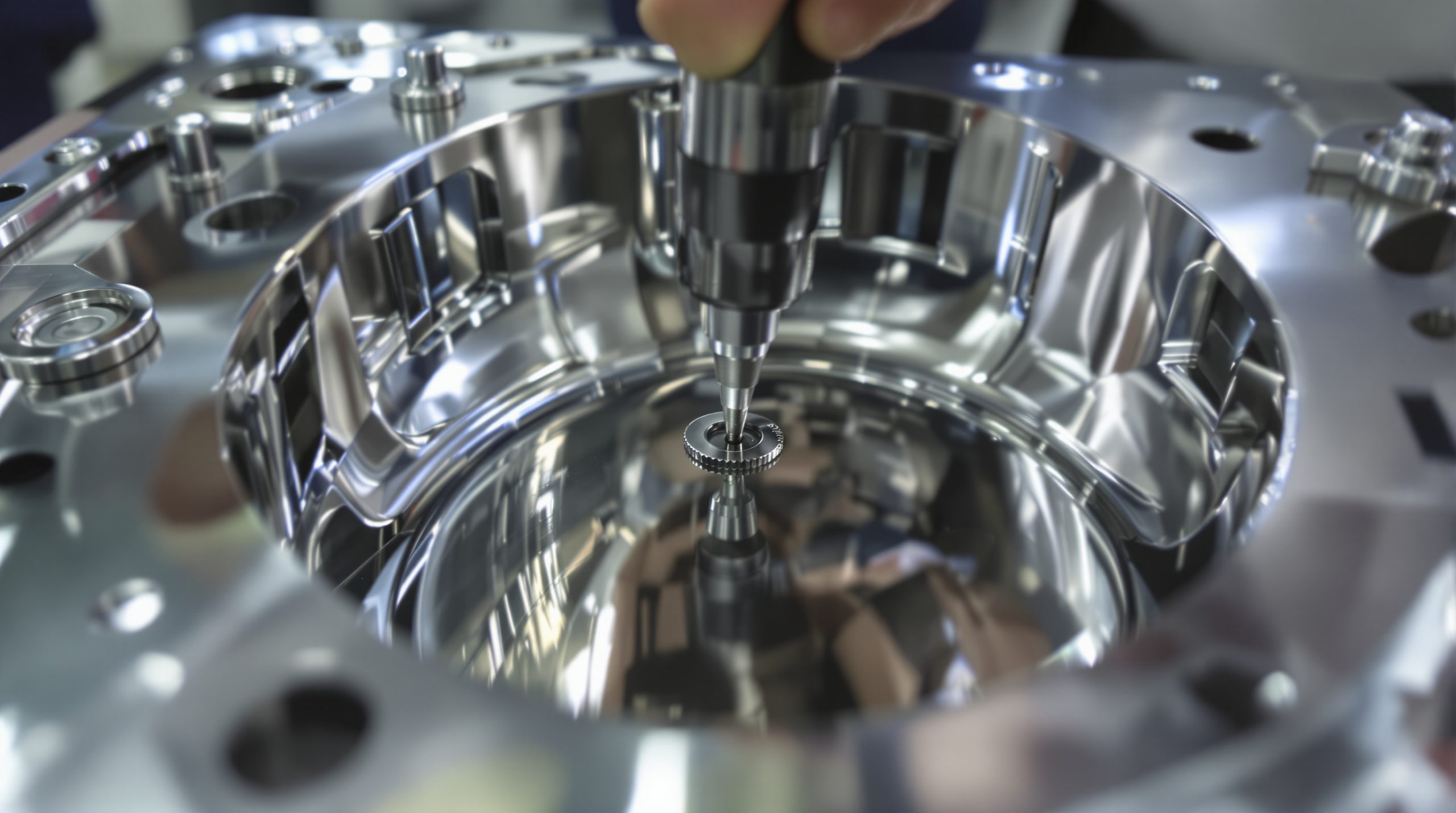
    5-axis CNC achieves surface roughness below Ra 0.4 µm in mold cavities by maintaining optimal tool engagement angles (NIST 2023). Unlike 3-axis systems, simultaneous 5-axis motion avoids visible witness marks at direction changes. Advanced CAM software enables:

    • 95% stepover consistency across curved surfaces
    • Automatic spindle speed adjustments for hardened steels (50–55 HRC)
    • 60% less manual polishing than traditional milling

    Ensuring Dimensional Accuracy Across Complex Mold Surfaces

    Thermal compensation algorithms counteract heat-induced tool elongation, sustaining ±0.0127 mm positional accuracy over 12-hour runs. For undercut-heavy molds like HVAC vents, 5-axis systems achieve 99.7% first-pass compliance through:

    1. Real-time probe verification of critical features
    2. Adaptive milling strategies for draft angles under 0.5°
    3. Automated collision detection in deep cavity zones

    Case Study: 40% Faster Mold Development at a Tier-1 Automotive Supplier

    A 2024 industry analysis showed how 5-axis CNC reduced a headlight lens mold’s lead time from 34 to 20 days. The system enabled direct machining of:

    • 7 independent sliding cores in one setup
    • 0.02 mm radius details for light diffusion patterns
    • Ra 0.8 µm textured surfaces meeting Class A standards

    This eliminated three secondary operations and cut scrap costs by $18k per mold compared to prior 3-axis processes.

    FAQs

    What are the benefits of using 5-axis CNC machines in automotive mold development?

    5-axis CNC machines offer high precision and complexity control, enabling the creation of molds with tolerances below 20 microns. They support faster prototyping cycles, reduce setup times, eliminate manual repositioning, and ensure superior surface finish in molds.

    How does 5-axis CNC machining compare to additive manufacturing?

    While additive manufacturing is excellent for creating hollow parts and complex structures, 5-axis CNC machining is superior for achieving smooth finishes and solid build quality, offering fewer production issues.

    What is the effect of 5-axis CNC on material waste during mold production?

    Automotive manufacturers have observed 40% less material waste, reduced vibration marks, and minimized part deformation when using 5-axis CNC machines for mold production.

    What are the upfront costs versus long-term returns of investing in 5-axis CNC machines?

    Although the initial investment is 30–40% higher, 5-axis CNC machines’ returns become evident within 18–24 months through reduced labor and scrap costs.
  • Aerospace Excellence: Making Complex Turbine Blades and Structural Components with 5-Axis Mills

    The Critical Role of 5-Axis CNC Machining in Aerospace Component Production

    Understanding the demand for precision in aerospace turbine blades and structural components

    Turbine blades see some pretty extreme duty cycles. Conditions they work under are hotter than most metals can take, at speeds over 10,000 RPM. Parts for something like this have to be right on the money, with tolerances down to a few microns. The old way of three-axis machining builds up errors because it needs several separate steps to make parts. The latest five-axis CNC machines fix that by having all the axes move at once — in every possible straight line and turning way you can think of. Recent studies from the Aerospace Manufacturing Journal show that method reduces stack-up problems by about 72%. Parts made this way can hold those crazy tight tolerances below 0.01mm radial clearance jet engines need to run their best.

    How 5-axis CNC machining enables complex geometry machining for engine components

    The addition of A and B rotational axes allows cutting tools to approach workpieces at optimal angles, enabling:

    • Undercut machining of serpentine cooling channels in turbine blades
    • Single-setup production of integrally bladed disks (blisks) with complex airfoil profiles
    • Contouring of structural wing ribs featuring compound curvature

    This geometric flexibility reduces production steps by 65% compared to traditional multi-fixture methods, while consistently achieving <16 µin Ra surface finishes critical for aerodynamic performance.

    Meeting tight tolerances in aerospace components through advanced milling techniques

    5-axis machining achieves positional accuracy within ±0.0025mm using specialized techniques:

    Technique Tolerance Improvement Application Example
    Dynamic toolpath optimization 40% tighter profile control Turbine blade root fixtures
    Thermal compensation systems 0.003mm drift reduction Engine mount struts
    Adaptive feed rate control 28% better surface consistency Wing spar webs

    These methods support mass production of parts that comply with AS9100D quality standards without requiring post-machining hand-finishing.

    Case study: High-precision manufacturing of turbine blades at DEPU CNC Shenzhen Co Ltd

    A leading aerospace manufacturer achieved a 99.7% first-pass yield on nickel-alloy turbine blades using a 5-axis horizontal machining center equipped with:

    • 240-tool automatic changer for continuous operation
    • Laser-assisted tool setting system (µm repeatability)
    • Volumetric error compensation across the full work envelope

    This setup reduced blade production cycle time by 58% while maintaining <3µm profile deviation over 18-month durability testing.

    The integration of 5-axis milling in structural component workflows for efficiency and accuracy

    Modern aerospace facilities integrate 5-axis machining with automated pallet changers to enable:

    • 24/7 unmanned production of titanium bulkheads
    • 92% material utilization through optimized nesting
    • 40% faster inspection via built-in probing systems

    This integrated approach cuts lead times for structural assemblies by 33% compared to conventional methods, all while meeting the <0.005mm/m straightness requirements for airframe components.

    Precision Machining of Complex Geometries in Turbine Blades Using 5-Axis Technology

    Aerospace manufacturers face increasing demands for lightweight yet durable turbine blades and structural components. 5-axis CNC machining meets these challenges by enabling single-setup production of airfoil contours, internal cooling channels, and root features—geometries that are difficult or inefficient to produce with traditional 3-axis systems.

    Overcoming Challenges in Manufacturing Complex Turbine Blades with High-Speed 5-Axis Machining

    Thin-walled blade sections—often less than 0.5 mm thick—are prone to vibration during cutting. High-speed 5-axis milling mitigates this with tangential contouring strategies that maintain constant tool engagement at speeds up to 24,000 RPM. This approach reduces cycle times by 60% compared to multi-stage 3-axis processes, according to recent aerospace benchmarks.

    Simultaneous 5-Axis Movement for Contouring Intricate Blade Profiles

    Capability 3-Axis Limitation 5-Axis Advantage
    Undercut Machining Requires manual repositioning Full access via C-axis tilting
    Surface Finish Consistency Visible stepovers <0.2 Ra µin continuous paths
    Lead Time per Blade 18-22 hours 6-8 hours

    Simultaneous motion across rotational and linear axes enables uninterrupted machining of twisted airfoils. For instance, integrally bladed rotors (IBRs) now achieve 0.0004″ profile tolerances through synchronized B-axis articulation and Y-axis movement.

    Data Insight: Surface Finish Improvements Up to 40% with 5-Axis Over 3-Axis Systems

    A 2023 study on Inconel 718 turbine blades found that 5-axis machining reduced average surface roughness (Ra) from 32 µin to 19 µin—a 40.6% improvement—by maintaining optimal chip load and eliminating tool re-entry marks. Smoother surfaces delay crack initiation in high-pressure turbine stages, directly extending component service life.

    Controversy Analysis: When 5-Axis Is Overkill — Evaluating Cost vs. Benefit in Blade Production

    While five axis systems have their benefits, let’s be real, the numbers tell a different story. These high-tech machines when operated typically push up the cost of a job five to almost eight levels above what three axis equipment charges. Interestingly, if you’re just into simple compressor blades with straightforward shaped aerofoils you can manufacture the majority of the parts on in many shops by utilizing what is called adaptive 3+2 axes and getting 95% or more of the output of full five axis equipment while decreasing costs by roughly seventy percent. But here’s where things get complicated. When the parts are so complex that the traditional techniques require more than two manual adjustments, or tool changes during fixturing then the investment in five axis starts making sense especially for small runs where every penny counted.

    Machining Superalloys: Addressing Material Challenges in Turbine Blades and Structural Components

    The nickel based superalloys such as Inconel 718 and Rene 41 play a really important role in the aerospace industry because they maintain their strength even when exposed to extremely high temperatures around 1200 degrees Celsius. Plus, these materials resist oxidation pretty well which makes them suitable for harsh environments. On the downside though, these alloys have very poor thermal conductivity properties. For instance, while copper conducts heat at about 401 watts per meter kelvin, these superalloys only manage around 11.4 watts per meter kelvin. This means during machining operations there tends to be significant heat accumulation right at the cutting area. As a result, tools used on these materials typically wear out much faster than when working with aluminum alloys, sometimes showing wear rates that are between 40 to 60 percent higher.

    Machining Nickel-Based Superalloys for Turbine Blades and Structural Components

    Superalloys exhibit strong work-hardening tendencies, which can degrade surface integrity during multi-axis milling. Leading manufacturers counteract this using adaptive roughing strategies that maintain consistent chip thickness (0.15–0.3mm), minimizing residual stress and preventing premature tool failure.

    Tool Wear and Thermal Management in 5-Axis CNC Machining of Tough Materials

    A 2024 study in the International Journal of Advanced Manufacturing Technology revealed that 5-axis toolpath optimization reduces thermal loading by 28% compared to 3-axis approaches. Key factors include:

    • Maintaining continuous tool engagement angles below 45°
    • Using variable helix end mills with AlCrN coatings
    • Incorporating real-time temperature monitoring via infrared sensors

    These practices improve thermal dissipation and extend tool life without sacrificing dimensional accuracy.

    Coolant Strategies and Tooling Innovations for Extended Tool Life in Superalloy Applications

    High-pressure through-tool coolant systems (1,000+ PSI) combined with cryogenic CO₂ cooling have been shown to increase tool life by 2.3× in Inconel 625 machining trials. Recent advancements include:

    Innovation Performance Gain Implementation Cost
    Diamond-like carbon coatings +37% tool life $18k/spindle
    Vortex-tube cooling 14% heat reduction $4.2k/machine
    Self-lubricating inserts -29% cutting forces $120/insert

    These innovations allow 5-axis machines to achieve Ra 0.8µm finishes on turbine blade fir-tree roots while maintaining ±0.012mm positional accuracy over 400-hour production runs.

    Innovations Driving the Future of 5-Axis Machining in Aerospace Manufacturing

    As aerospace design pushes toward lighter, stronger components, 5-axis CNC machining continues to evolve. These advancements address growing demands for intricate cooling channels, thin-walled airfoils, and tolerances as tight as ≤4μm—challenges beyond the reach of conventional manufacturing.

    Advancements in Real-Time Toolpath Optimization for Complex Geometries

    The present-day 5 axis controllers can actually keep an eye on vibrations along with temperature variations as they perform, and then they slightly adjust the cutting path at the same time. Based on research done by Advanced Manufacturing International last year, this flexible means of machining reduces the time needed to machine those difficult to machine titanium aluminum turbine blades by close to 19 per cent in comparison to the conventional static programming process. The other major advantage is how these adaptable toolpaths deal with those fragile Thin Walled parts. They prevent deflection when removing material so that we achieve eliminated surfaces that finish under Ra 0.8 microns as smooth as this without having to do any secondary hand polishing to remove the visible tool marks. The shops doing work with precision parts are really starting to see this…

    Integration of AI and Adaptive Control in 5-Axis Milling Fundamentals and Capabilities

    Machine learning algorithms now analyze up to 138 variables—from spindle harmonics to insert coating condition—to predict optimal cutting parameters for Inconel 718 components. AI-driven systems automatically compensate for tool wear during blisk machining, maintaining positional accuracy within 5μm throughout extended 72-hour production cycles.

    Future Trend: Hybrid Manufacturing Combining 5-Axis Milling with Additive Processes

    Manufacturers in both aerospace and power generation are increasingly adopting hybrid manufacturing configurations that combine conventional 5-axis machining techniques with directed energy deposition technology. The procedure is as follows: the first additive manufacturing is used to produce near net shape turbine blades and the siguiente refers back to the first step. This Two-step method significantly reduces the amount of material wasted in machining of costly nickel-based superalloys saving about 38% versus conventional subtractive machining alone. An added benefit, though, is that the new approach allows engineers to design intricate internal lattice structures within organs – first published in 2022 in the Journal of Advanced Manufacturing Systems, some structural enhancements from such lattices enhance the parts’ strength with about a 22% weight reduction, meaning parts have less weight but more strength than anything previously allowed.

    Digital Twins and Predictive Maintenance in Smart Aerospace Machining Ecosystems

    Digital twins of 5-axis machines simulate every phase of structural component production, predicting spindle bearing failures up to 400 operating hours in advance. This reduces unplanned downtime by 31% in aerospace foundries. IoT-enabled tool monitoring further optimizes coolant delivery, extending carbide endmill lifespan by 18 cycles during superalloy machining.

    FAQ

    What is 5-axis CNC machining and how does it differ from traditional methods?

    5-axis CNC machining involves moving tools or the part being machined across five different axes simultaneously. This allows for more complex and precise cutting compared to traditional 3-axis methods, which need multiple setups.

    Why is 5-axis CNC machining important in aerospace manufacturing?

    The aerospace industry demands high precision due to the extreme conditions components face. 5-axis machining offers precise cuts, complex geometry capability, and reduced lead times, which are essential for producing high-quality aerospace components.

    What are superalloys and why are they used in aerospace industries?

    Superalloys like Inconel 718 are used in aerospace because they maintain strength at high temperatures and resist oxidation. However, they are difficult to machine due to poor thermal conductivity.

    How does 5-axis machining improve the production of turbine blades?

    5-axis machining reduces setup times and errors, ensuring precise cuts and optimal angles, which are critical for the aerodynamic performance of turbine blades.

    What challenges do manufacturers face when using 5-axis CNC machines?

    Despite their advantages, 5-axis machines are more expensive to operate than 3-axis systems. Evaluating the complexity of parts and balancing cost versus benefits is crucial.

  • How CNC Machines Improve Precision, Efficiency, and Productivity

    Achieving Unmatched Precision and Tight Tolerances with CNC Machines

    Modern CNC machines routinely cut to a tolerance of less than ±0.001 inch and are a necessity in industries such as aerospace and medical devices.Such precision guarantees parts fit together absolutely perfectly in demanding environments, at the same time as effectively reducing scrap and rework costs.

    Understanding Precision in CNC Machining and Tolerance Control

    Precision in CNC machining means that a machine’s ability to perform the same measurement again and again. Tolerance represents an acceptable variation of the desired measurement. Precise control of tight tolerances (tightest as narrow as ±0.0002″in advanced applications) lies in four factors:

    • Multi-axis machining: Eliminates manual repositioning errors in complex geometries
    • Toolpath optimization: CAM programme calculates precise cutting angles and speeds
    • Heat correction: Base-tool compen­surung heat induced by metal expansion during long cutting times
    • Real-time metrology: In-process sensors detect micron-level deviations

    These strategies reduce dimensional variance by 37% compared to conventional methods (Precision Machining Institute, 2023).

    How CNC Technology Ensures Consistent Accuracy Across Complex Parts

    5-axis CNC machines enable single-setup machining of intricate components like turbine blades, maintaining positional accuracy within 5 microns. Helical gear production achieves near-perfect tooth profiles (99.8% consistency across 10,000 units) through closed-loop servo control systems. This eliminates manual measurement errors that historically caused 12–15% scrap rates in gear manufacturing.

    Advanced Calibration and Real-Time Feedback Systems in Modern CNC Machines

    Third-wave CNC systems integrate:

    Technology Function Accuracy Improvement
    Laser tool setters Measures tool wear at 0.05µm resolution 22%
    Vibration dampeners Reduces chatter-induced surface defects 18%
    Adaptive spindle control Automatically adjusts RPM based on load 15%

    These systems perform 120–180 calibration checks hourly, far surpassing the 25–30 manual checks possible with traditional machines.

    Case Study: Precision Gains in Aerospace Components

    A recent aerospace project with a leading CNC manufacturer demonstrated:

    • 42% reduction in dimensional variance for wing spar components
    • 0.009mm average deviation across 2,000 fuel valve housings
    • 98.7% first-pass yield using automated in-cycle probing

    This precision enables direct assembly of CNC-machined parts without post-processing, cutting production lead times by 34%.

    Boosting Efficiency Through Automation and CAD/CAM Integration

    How Automation in CNC Machining Reduces Cycle Times and Boosts Output

    CNC automation eliminates manual tool adjustments and material handling, slashing production cycles by 35–50% in high-volume runs. Continuous operation capabilities enable 24/7 machining without fatigue-related quality dips, while collision detection systems prevent costly errors during unattended shifts.

    Role of CAD/CAM Software in Enabling Intricate, Repeatable, and Error-Free Designs

    Integrated CAD (Computer-Aided Design) and CAM (Computer-Aided Manufacturing) systems transform digital blueprints into machining instructions with 0.005 mm positional accuracy. A 2025 industry analysis showed 85% fewer geometric mismatches compared to manual G-code entries. Advanced toolpath simulations detect material stress points before cutting begins, reducing scrap rates by 22% in complex aerospace components.

    Automated Tool Changes and Continuous Operation for Faster Production Cycles

    Modern CNC centers with 60+ tool magazines complete changeovers in under 15 seconds, compared to 8–12 minutes in manual setups. This enables mixed-part production batches without downtime—a key factor in achieving 92% equipment utilization rates according to lean manufacturing benchmarks.

    Ensuring Consistency and Repeatability in High-Volume Production

    How CNC Machining Maintains Part Uniformity Across Large Batches

    They use paths created ahead of time instead of depending on workers who may make small mistakes so CNC machines give great consistency at a very small level. ASME shares that these high systems can keep their numbers to within more or less 0.002 mm over big runs that go on for over fifty thousand pieces. You don’t get this type of sameness from old ways of making things. When it comes to actions like how deep holes are drilled or what angle surfaces get milled, everything sticks simply to digital specs. The result? Parts that look just the same no matter if we’re talking about making one hundred items or hundreds of thousands. For car makers especially, this matters a lot. Think about one small part somewhere in a vehicle line doesn’t meet specs- that could mean some real issues later down the road when cars hit the road.

    Reducing Variability in Mass Production Through Digital Process Control

    Modern CNC models use real time sensors covering more than 18 dimensions including temperature, machine vibration, and tool wear during operation. According to quality control data, these machines can auto-adjust the position of the tool within just 0.8 seconds after detecting any anomaly which makes them about twelve times faster in corrective action compared to humans manually operating them. This is because only closed loop feedback systems would actually change cutting settings from one production cycle to another hence reducing waste material by up to 34 percent in big batch runs, as per a study shared in the Journal of Manufacturing Systems back in 2023. This practically means that even the most complex geometries remain within less than 10 micrometers of variation for months of nonstop manufacturing without degradation setting in significantly.

    Reducing Labor Costs and Human Error with CNC Automation

    Minimizing Human Error Through Programmed CNC Operations

    Computer Numerical Control machines basically get rid of those pesky manual measurement errors and cutting misalignment issues because they follow programmed instructions down to about 0.005 mm accuracy each time. The stats are pretty impressive too when it comes to reducing mistakes made by humans during milling work. Some research in the field shows around a 90% drop in these kinds of problems after implementing CNC tech. What happens next is operators don’t spend all day doing physical adjustments anymore. Instead they watch over several machines at once while letting automated systems handle the tricky parts. Things like spindle probes that fix themselves and laser tools that set positions automatically take care of what used to be real headache-inducing manual work for machinists.

    Long-Term Labor Cost Savings Despite Higher Initial CNC Investment

    CNC systems definitely cost more upfront compared to manual machines, typically around 30 to 50 percent extra. But many manufacturers find that their labor bills drop significantly over time, sometimes as much as 60 something percent lower after five years. The reason? Automated pallet changers and robots taking care of parts mean factories can run all day and night with far fewer people on staff. We’re talking about needing only one tech person to watch over six different machines at once. When companies handle large order volumes, these savings really add up. Per unit labor costs go down between maybe 40% to almost 60% in some cases. Most businesses see these savings cover those initial investment costs within about 18 months give or take depending on how busy they get.

    Balancing Upfront Costs With Operational ROI in CNC Adoption

    Modern CNC systems achieve full ROI within 2–3 years through three strategic advantages:

    • 68% faster setup times with digital tool libraries vs. manual calibration
    • 45% reduction in scrap material via real-time error detection
    • 22% higher machine utilization through lights-out manufacturing capabilities

    These efficiencies enable small-batch manufacturers to break even on CNC investments at 1,200 annual parts, while large facilities see returns accelerate with scale.

    Scaling Production Flexibly with Modular and Scalable CNC Systems

    Modern manufacturing demands require CNC systems that adapt to shifting production needs without costly overhauls. Modular CNC configurations enable manufacturers to scale capacity by 70%+ during demand surges while maintaining precision—a critical advantage for industries like aerospace and automotive facing volatile order volumes.

    Adapting CNC Setups to Meet Growing and Changing Manufacturing Demands

    Traditional production lines are pretty inflexible when it comes to changing parts or materials, but modular CNC systems tell a different story. These systems can be quickly reconfigured for all sorts of new geometries and material types. The quick swap tooling interfaces work wonders here, along with those multi axis capabilities that cut down setup time dramatically. What used to take hours now takes just minutes, so companies can switch back and forth between making prototypes and going into full scale production on the same day. Take the EV battery component manufacturers for instance. They rely heavily on these reconfigurable CNC cells because their designs keep evolving. With this flexibility, they don’t have to stop everything else just to make adjustments to their workflow.

    Modular CNC Configurations for Agile and Future-Ready Production Lines

    Scalability hinges on standardized interfaces and centralized control systems that unify disparate CNC machines. Modern setups integrate:

    Feature Traditional CNC Modular CNC
    Setup Changes Hours/days <25 minutes (UCAM 2024)
    Capacity Scaling Fixed infrastructure 70%+ surge handling
    Cost Efficiency High upfront costs Incremental investment

    This agility lets manufacturers deploy hybrid systems—combining milling, turning, and additive modules—to future-proof operations against unanticipated product shifts. Plants adopting these strategies report 40% faster response times to market changes compared to fixed CNC lines (Precision Machining Journal, 2023).

    FAQ

    What is precision in CNC machining?

    Precision in CNC machining refers to the machine’s ability to produce components with exact reproducibility to the specified measurements, ensuring consistent quality and functionality.

    How do CNC machines maintain consistency in mass production?

    CNC machines maintain consistency through pre-programmed paths, which minimize human error, and real-time monitoring with sensors that adjust for variations during production.

    What are the benefits of using modular CNC systems?

    Modular CNC systems offer flexibility to reconfigure setups for different parts and materials quickly, enabling manufacturers to adapt to changing market demands efficiently.

    Can CNC machines reduce labor costs?

    Yes, although CNC machines have a higher initial cost, they significantly reduce long-term labor costs by minimizing manual adjustments and allowing operators to oversee multiple machines simultaneously.

    What are the advantages of CAD/CAM integration in CNC machining?

    CAD/CAM integration allows for precise conversion of digital designs into machine instructions, enhancing accuracy, and reducing error rates and scrap in complex manufacturing processes.

  • Choosing the Right Precision Machining Partner: Factors to Consider

    Assessing Precision Machining Capabilities and Equipment

    Understanding CNC Machining Capabilities for High-Accuracy Production

    Today’s precision machining shops depend heavily on Computer Numerical Control (CNC) systems to hit those super tight tolerances around ±0.0005 inches, something absolutely necessary for sectors like aerospace and medical device manufacturing. When it comes to high speed machining (HSM), these techniques can produce surface finishes below 1 micrometer, which matters a lot for parts like turbine blades since their performance really hinges on how smooth they are. Looking at recent research from the International Journal of Advanced Manufacturing Technology back in 2023, manufacturers saw about a 43% drop in size variations when using CNC over traditional methods for making titanium hip implants. This shows just how much automation helps maintain that consistency across batches, especially important when lives literally depend on component reliability.

    Role of Advanced Equipment Like Multi-Axis CNC Mills and Lathes

    Five axis CNC milling machines boost precision and productivity because they eliminate the need for manual part repositioning. Setup times drop around 70% compared to traditional methods, all while keeping position accuracy down to about 5 microns. For complicated parts such as fuel injection nozzles, this matters a lot since these components demand rotational precision within plus or minus 0.001 degrees when drilling at angles. Traditional three axis systems usually require between three and four different setups to handle similar shapes, which actually raises overall error rates by roughly 22 percent according to some recent studies from NIST in 2024. When manufacturers integrate multi axis lathes into their workflow, they can produce highly detailed turned parts with much less hands on work needed. This not only improves consistency across batches but also speeds up production cycles considerably.

    How Machining Strategies Impact Precision, Repeatability, and Tight Tolerances

    When toolpaths are optimized properly, they cut down on those annoying vibrational harmonics by around 31 percent, which makes a big difference in how smooth the final surfaces turn out. These days, most adaptive machining setups rely on sensors that give instant feedback so operators can tweak feed rates as needed during actual production. This keeps everything within tight tolerances – usually below 10 microns even when running batches of over 10 thousand parts. Optical lens manufacturers really benefit from this kind of precision control. With such consistent results, their curvature profiles repeat themselves about 98 times out of 100. What does this mean practically? Less time spent on tedious post machining polishing work. On average, each component saves roughly 18 hours of manual labor, and naturally enough, this translates into significant cost savings for the whole production process.

    Evaluating Quality Control Systems and Industry Certifications

    Key Inspection Processes: CMMs, Surface Finish Testing, and Real-Time Monitoring

    Getting the dimensions right is really important when it comes to precision machining work. Most shops rely on Coordinate Measuring Machines, or CMMs for short, which can check those tricky shapes down to about plus or minus 0.005 millimeters. Surface profilometers come into play too, measuring how smooth things actually are, sometimes detecting roughness as fine as 0.4 micrometers. Some cutting edge manufacturing setups now have systems that watch tools wear down and track temperature changes while the machine is running. According to industry research from Ponemon in 2023, this kind of real time oversight cuts waste material by around 18 percent compared to just checking parts after they’ve been made manually. The bottom line? Fewer rejected pieces means better efficiency overall and less frustration for everyone involved in production.

    Importance of ISO 9001, AS9100, and Integrated MRP/ERP Quality Systems

    Quality certifications like ISO 9001 and AS9100 show what kind of dedication a supplier has toward building solid quality management systems. Manufacturers who get ISO 9001 certification tend to produce parts with about 34% fewer defects in the aerospace industry because they follow standard processes throughout their operations. For really important applications where failure isn’t an option, AS9100 gives complete tracking from raw materials all the way through finished products. Top tier suppliers don’t stop there though. They integrate these quality standards with MRP and ERP software systems that keep track of over 160 different production factors at once. A recent survey back in 2022 found something interesting: nearly eight out of ten people responsible for buying stuff in manufacturing companies look first at suppliers who have these certifications when working on critical projects. Makes sense really, since nobody wants surprises when millions are on the line.

    Case Study: Achieving Zero-Defect Manufacturing With Robust Quality Assurance

    One major auto parts manufacturer cut warranty issues down by nearly 92 percent when they put in place their closed loop quality management approach. They connected computerized measurement checks directly to enterprise resource planning systems for quick fixes, which helped them get all those complicated transmission housing parts right on the first try every time. The whole package worked because they used artificial intelligence to figure out what went wrong, kept track of suppliers through live dashboards, and ran yearly capability tests that regularly hit above 1.67 levels. As a result, these guys maintained super tight specs within plus or minus 0.01 millimeters on more than twenty thousand components each year. Pretty impressive stuff really shows what happens when different parts of manufacturing work together seamlessly toward flawless production results.

    Balancing Lead Times, Cost, and Production Reliability

    Striking the Balance Between Fast Turnaround and Consistent Quality

    Cutting down on wait times while still keeping product quality high gives companies a real edge in today’s market. Take the plant located in St. Charles, Illinois for instance. They managed to slash their production cycle by almost half last year thanks to smarter scheduling techniques and better workflow management according to the latest facility reports. Pretty impressive considering they kept their precision measurements within just 0.0005 inches either way. When manufacturers want to deliver products quickly but still meet strict standards, following ISO 9001 guidelines becomes essential. This matters a lot in industries such as aerospace components or medical devices where even tiny defects can cause major problems. After all, nobody wants faulty parts flying planes or going into people’s bodies.

    Transparent Pricing Models and Hidden Cost Factors in Precision Machining

    Many suppliers who tout rock bottom base prices often hide extra charges for things like tooling setup fees, wasted materials during testing, or those little added steps nobody mentions upfront. According to research from the Ponemon Institute last year, almost 6 out of 10 machining jobs ended up costing between 12 and 18 percent more than originally quoted because something always goes wrong along the way. Smart businesses looking to avoid these surprises should hunt down manufacturers that offer different price tiers based on how much they need and how complicated the work gets. This becomes really critical when moving past the prototype stage into actual mass production runs where unexpected costs can quickly eat into profit margins.

    Leveraging Location and Logistics for Just-in-Time Delivery Performance

    Being close to where things get made cuts down on shipping expenses and wait times, which gives companies an edge when managing their Just-in-Time (JIT) supply chains for cars and robots. Plants located about 200 miles away from where products are assembled see around 31 percent fewer delayed shipments according to a study published in Logistics Quarterly last year. When manufacturers team up with machine shops that have those fancy MRP or ERP software packages, they can track what’s in stock right now and get automatic warnings when parts need restocking. This kind of setup makes sure everything moves smoothly between different parts of the supply chain without hiccups.

    Scalability, Technical Support, and Design Collaboration

    Seamless Transition from Prototyping to Full-Scale Production

    What sets apart the best machining partners is their capacity to move from small batch prototypes all the way up to mass production while keeping product quality intact. Many leading manufacturers now rely on cloud based systems for team collaboration along with flexible workflow structures that help them hit those tight ±0.0005 inch tolerances even when going from just 10 sample pieces to over 10 thousand units. The real game changer comes with synchronizing designs across different CNC machines in real time. This approach cuts down on mistakes during tool path creation and saves companies between 18 and 32 percent in lead time compared to older methods where engineers had to manually transfer data between departments.

    Design for Manufacturability (DFM) and Engineering Collaboration Services

    According to research from a recent 2024 study on machining efficiency, when companies implement proactive DFM (Design for Manufacturing) analysis early on, they can actually stop around 63% of those pesky machining defects even before production gets underway. What makes this work? Well, suppliers who provide what’s called concurrent engineering support are really making a difference these days. They’re helping manufacturers get better at using materials efficiently through something called nested machining techniques. Plus, they run 3D process simulations that tackle those annoying tolerance stacking issues head-on. And let’s not forget about those collaborative design review sessions which make fixture setups much simpler than traditional methods. The bottom line is pretty impressive too. Companies adopting this kind of integrated approach typically see their revision cycles shrink by about 41%, which means products hit the market faster without all those costly delays we’ve all seen happen so often in manufacturing settings.

    Customer Support and Service as a Long-Term Partnership Differentiator

    High-performing machining partners assign dedicated engineering liaisons who manage projects from RFQ to delivery, resolving 92% of technical inquiries within four business hours. This level of responsiveness fosters trust in JIT environments, where a 98.4% on-time delivery rate directly impacts client inventory efficiency and operational continuity.

    Vendor Reputation, Experience, and Sourcing Strategy

    Evaluating Track Record, Industry Experience, and Client Testimonials

    Looking at how long a vendor has been around and what they’ve actually accomplished makes all the difference when it comes to reducing risks on projects. Most smart buyers look for companies that have spent at least five years focused specifically on their industry niche. After all, nearly nine out of ten procurement folks put past experience right at the top of their checklist according to TodayDigital last year. Real customer feedback matters too. When potential partners can show actual case studies with ISO certification, it tells us they consistently hit those super tight specs like plus or minus 0.001 inches and keep things delivered on time. The government did some research back in 2023 and found something interesting: when organizations used standard ways to evaluate suppliers, there were about 34 fewer defects and deliveries arrived reliably about 22% more often across hundreds of different contracts.

    Local vs. Offshore Precision Machining Partners: Pros, Cons, and Risks

    Where manufacturing takes place makes a real difference when it comes to money spent and how quickly things get done. Local suppliers usually give design feedback within 2 to 3 days rather than the week plus wait times we see from overseas vendors. Plus there’s better protection against IP theft, which matters a lot in industries like aviation and healthcare equipment manufacturing. Sure, going offshore can cut labor expenses anywhere from 15% down to 30%, but companies need to watch out for those sneaky extra costs. Customs holdups delay about a quarter of all shipped goods, and trying to coordinate across time zones creates headaches nobody wants. Looking at what smart manufacturers are doing these days, many adopt a mix approach. They keep production of intricate, small batch items right at home, then send bulk orders for standard parts overseas where it makes financial sense without compromising too much on quality control or environmental impact considerations.

    FAQ

    Why is CNC machining preferred for high-accuracy production?

    CNC machining is preferred because it allows for tight tolerances and consistent results, essential for industries like aerospace and medical devices.

    How do multi-axis CNC machines contribute to precision and productivity?

    Multi-axis CNC machines eliminate manual repositioning, reduce setup times, and improve accuracy, leading to enhanced productivity and precision.

    What role do quality control certifications play in precision machining?

    Certifications like ISO 9001 and AS9100 ensure adherence to quality standards, reduce defects, and enhance product reliability.

    How can manufacturers balance lead times and product quality?

    Implementing efficient scheduling, following ISO guidelines, and ensuring quality control systems can strike a balance between fast lead times and product quality.

    What are the advantages of local precision machining partners compared to offshore?

    Local partners usually provide faster feedback and better IP protection, while offshore partners might reduce labor costs but come with logistical challenges.

  • How Precision Machining Ensures High-Quality Parts for Critical Industries


    The Foundation of Precision Machining: Accuracy, Consistency, and Reliability

    Understanding Precision Machining and Its Role in High-Quality Manufacturing

    Precision machining relies on computer numerical control (CNC) machines and meticulous techniques to create parts with tolerances down to plus or minus 0.001 millimeters. The importance of this level of accuracy becomes clear when looking at critical sectors such as aircraft construction or surgical instrument production. A tiny error measured in microns could mean catastrophic failures in flight systems or life-saving medical equipment. When manufacturers take blocks of metal or plastic and shape them precisely according to blueprints, they’re not just following specs but actually bringing engineering drawings to life as dependable products that function reliably in demanding environments across multiple industries.

    Tight Tolerances and Dimensional Accuracy as Benchmarks of Excellence

    Precision machining today can actually produce parts with tolerances that are around 25 percent tighter compared to what was possible with older techniques. This follows industry standards like ASME Y14.5-2018 for reference. When parts fit together so precisely, it makes all the difference in complex systems where everything has to work perfectly. Think about things like turbine blades inside jet engines or even medical devices implanted in people’s spines. To check if these parts really meet those tight specs, manufacturers look at surface roughness values below 0.4 micrometers Ra. They also rely on special measuring equipment called CMMs to double check dimensions down to the micron level. These quality checks help maintain the exact specifications needed for high performance applications.

    Ensuring Part Consistency and Minimizing Variability Across Production Batches

    CNC automation gives manufacturers around 99.8% consistency between batches because it takes out all the unpredictable human factors from important tasks like setting tool paths and controlling spindles. The system uses statistical process control or SPC to keep an eye on things like hole sizes and surface flatness during production. This helps maintain Cpk values well above 1.67, which meets those tough Six Sigma requirements. As a result, there’s very little variation even when making thousands of parts at once.

    The Impact of Precision Machining on Product Safety and Long-Term Reliability

    Parts made to those tight aerospace specs tend to fail about 73 percent less often during stress tests than regular factory parts according to some research from the Journal of Advanced Manufacturing last year. The difference really matters when safety is on the line. Take titanium bone screws for example these little marvels have been showing around 98.6% success in fusing with bone tissue after being implanted for a decade. That kind of reliability isn’t just impressive stats it actually saves lives because people aren’t dealing with failed implants down the road.

    CNC Technology: Driving Precision and Automation in Modern Manufacturing

    How CNC Systems Enable Unmatched Accuracy and Repeatability

    CNC systems take digital designs and turn them into machine instructions so accurate they’re almost spot on, hitting measurements down to the micron level. According to research from Ponemon in 2024, these automated processes cut down on size mistakes by about 92% when compared to old school manual work. That’s why industries rely heavily on them for critical parts like airplane components and surgically implanted devices where precision matters most. Modern multi-axis machines keep their position super tight, around plus or minus 0.002 millimeters, which means products come out consistently good even after running through thousands upon thousands of manufacturing cycles without losing quality.

    Advancements in CNC Milling and Turning for Complex, High-Tolerance Components

    New technologies such as 5 axis machining and smart tool path adjustments have made it possible to create parts that simply couldn’t be manufactured before. Take turbine blades for instance. These blades now come out with incredibly smooth surfaces under 0.4 microns roughness average, all while keeping angles within just one hundredth of a degree tolerance. That’s pretty impressive when we think about how critical those specs are for engine performance. The same goes for hybrid machines that combine milling and turning operations. They’re changing how we make things like complicated car transmissions and medical screws. Setup takes less time, which means fewer mistakes during production runs. Manufacturers are seeing real benefits from these advancements both in terms of quality control and bottom line savings.

    The Role of Automation in Reducing Human Error and Boosting Efficiency

    Since around 2022, robotic tool changers paired with AI inspection tech have cut down on manual work in CNC operations quite a bit, maybe somewhere close to three quarters less hands on stuff. These in process probing systems take measurements as things happen, making automatic corrections when tools start wearing down or materials aren’t exactly what they should be. What this means is pretty much flawless results for important parts such as those used in electric vehicle batteries and components for medical robots. Manufacturers are seeing defect rates drop dramatically, though getting to absolute perfection remains tricky. Production time has also taken a hit, some shops reporting cuts of about 35-40% once these systems get properly integrated into their workflow.

    Precision Machining in Aerospace and Defense: Meeting Mission-Critical Standards

    High-tolerance requirements in aerospace, defense, and space applications

    The aerospace industry needs machining tolerances down to about 0.0001 inches or roughly 2.54 micrometers which is around 50 times tighter than what most industrial applications require according to recent industry standards. Parts for things like satellite navigation systems and those super fast hypersonic aircraft frames have to be worked on using special techniques for materials such as titanium alloys and carbon fiber composites. Getting these measurements right matters a lot because even tiny flaws at this scale can cause major problems when exposed to harsh conditions. We’re talking about situations where there’s no atmosphere at all in space or temperatures inside jet engines that can go past 2500 degrees Fahrenheit.

    Case study: Manufacturing precision turbine blades and structural components

    The importance of precision machining really stands out when looking at turbine blades. Modern manufacturers rely on 5-axis CNC machines to create these blades with incredibly precise aerodynamic shapes. The cooling channels inside are so thin they measure just 0.004 inches across, which is actually thinner than most people’s hair strands. When it comes to quality control, each turbine disk gets checked more than 200 times using coordinate measuring machines. These checks ensure the contours stay accurate within a tiny margin of error – around 2 microns. For structural parts such as wing spars, the whole component is often made from single pieces of aluminum rather than being welded together. This approach removes potential weak spots while also cutting down overall weight by roughly 15 to 20 percent compared to older assembly methods.

    Stringent quality control and compliance with aerospace safety regulations

    Getting AS9100D certified isn’t just recommended it’s required across the industry these days. The standard throws in 105 extra quality checks on top of what ISO 9001 already demands. Most manufacturers have built verification steps into their production process at all points along the way. Think about it starting with raw material analysis through spectroscopy, then moving on to tools that monitor wear in real time (these can spot tiny changes down to plus or minus 3 microns), right up until final CT scans complete the picture. Every single component gets tracked from when it first comes off the billet all the way to when it’s installed somewhere important. These records stick around for decades too some companies keep them for as long as 25 years especially for parts used in aircraft systems where failure isn’t an option. And let’s not forget what happens if things go wrong. A recent report showed that one bad bearing outside tolerance specs could cost upwards of eight million dollars in fines from the FAA alone according to the 2024 Aerospace Compliance Report.

    Medical and Automotive Applications: Where Precision Saves Lives and Enhances Performance

    Ultra-Precision Machining for Life-Critical Medical Implants and Surgical Tools

    Precision machining produces medical components with tolerances under 5 microns, essential for:

    • Orthopedic implants requiring seamless bone integration
    • Surgical tools with edge sharpness at 0.1–0.3 μm Ra surface roughness
    • Microfluidic chips with fluid channels narrower than a human hair

    According to the 2023 Medical Device Standards Report, components produced under ISO 13485 quality systems reduce post-surgical complications by 62% compared to conventionally machined parts.

    Achieving Zero-Defect Standards in Medical Device Manufacturing

    Six Sigma quality levels (3.4 defects per million opportunities) are achieved through:

    1. Real-time tool wear compensation
    2. Automated CMM validation
    3. Closed-loop feedback from optical comparators

    This consistency is crucial for FDA Class III devices such as pacemaker housings, where a 10-micron deviation can compromise hermetic sealing and device safety.

    Precision-Engineered Automotive Components for Safety, Efficiency, and EV Innovation

    Automotive manufacturers require ±0.005 mm accuracy for critical components:

    Component Precision Requirement Impact
    Fuel injector nozzles 1–2 μm orifice diameter 15% improvement in combustion efficiency
    EV battery housings 0.1 mm flatness tolerance Prevents thermal runaway
    Transmission gears AGMA Q15 tooth profile Reduces noise by 40%

    A 2024 SAE International study found that precision-machined braking components reduce emergency stopping distances by 27% in autonomous vehicles.

    DEPU CNC Shenzhen Co Ltd: Delivering Precision Across High-Stakes Industries

    Applying Advanced Precision Machining to Meet Aerospace, Medical, and Automotive Standards

    At DEPU CNC Shenzhen Co Ltd, advanced CNC tech is at the heart of making parts where getting under 5 microns matters for success. The company’s machines hit positional accuracy around ±0.002 mm when working on things like turbine blades for planes, surfaces for medical implants, and housing units for electric vehicle batteries. They tick all the boxes for tough industry standards including AS9100D and ISO 13485:2022. According to research from last year in the aerospace sector, companies that switched to DEPU’s multi-axis machining approach saw a massive drop in needing to fix mistakes after initial machining – about 63% less work overall compared to older methods. This level of precision means artificial joints actually pass those strict FDA surface finish tests (they need to be no rougher than 0.4 microns). For car gears too, their manufacturing keeps noise vibration harshness within acceptable limits even after going through half a million cycles of testing.

    Innovative Quality Assurance and Traceability in Every Production Phase

    DEPU has developed a closed loop quality control system that combines real time monitoring of tool paths along with blockchain technology to track materials. This gives complete visibility from raw titanium ingots all the way through to finished aircraft actuators. The company’s special SPC dashboard catches any production issues when they go beyond 1.5 standard deviations, which helps explain why their medical product batches only have a 0.02% defect rate. That’s way better than the usual industry standard of about 0.15%, according to Medical Design & Outsourcing in 2023. For inspecting tiny features at the micron level, DEPU uses AI powered optical systems that work roughly 12 times quicker than what people can do manually. These systems still manage to hit nearly perfect accuracy rates around 99.98%. This makes sure everything meets requirements for FDA approved spinal implants as well as pressure vessels certified under ASME standards.

    FAQ Section

    What is precision machining?

    Precision machining involves using computer numerical control (CNC) machines to produce parts with extremely tight tolerances, down to plus or minus 0.001 millimeters, for critical industries such as aerospace and medical devices.

    Why is tolerance important in precision machining?

    Tight tolerances ensure that parts fit together accurately in complex systems. This is crucial in industries like aerospace, where even slight deviations can lead to significant problems.

    How does CNC technology enhance precision machining?

    CNC technology converts digital designs into machine instructions, improving accuracy and reducing the incidence of errors compared to manual methods.

    What industries benefit from precision machining?

    Precision machining is invaluable in aerospace, medical, automotive, and defense industries, where high tolerance and reliability are critical.

    How do advancements in CNC milling and turning improve manufacturing?

    New technologies, such as 5-axis machining, allow the fabrication of complex and high-tolerance components with greater efficiency and precision.

  • Top 10 Applications of CNC Machines in Modern Industries

    Aerospace and Defense: Precision CNC Machining for High-Performance Components

    Meeting Strict Precision Requirements in Aerospace Manufacturing

    The aerospace industry needs parts manufactured with incredible precision these days, sometimes down to just a few microns. Components are frequently built to specs that demand tolerances better than plus or minus 0.0001 inches according to AMT Machine’s latest report from 2025. Computer numerical control machines make this possible by employing 5-axis machining techniques along with sophisticated toolpath software. These systems are especially important when crafting things like turbine blades where even minor deviations can cause major problems later on. Take engine mounts made from Inconel 718 as another case study. According to Zintilon’s findings back in 2023, special machining procedures must be followed during production because this material resists heat so well but still needs careful handling to keep its shape intact when subjected to intense forces during flight operations.

    CNC in Jet Engine and UAV Component Production

    CNC technology dominates the production of mission-critical parts for both commercial and defense aviation:

    Component Material Key Machining Process
    Turbine Blades Titanium Alloys 5-Axis High-Speed Milling
    UAV Structural Brackets Aluminum 7075 Precision Swiss Turning
    Fuel Nozzles Hastelloy X Micro-Drilling & ECM Hybrid

    These processes reduce lead times by 40% compared to conventional methods while ensuring compliance with AS9100 aerospace standards (PhillipsCorp 2024).

    Advancing Stealth and Durability in Military Applications

    Military CNC applications focus on radar-absorbent materials and armor plating. Lightweight aluminum-lithium alloys undergo stress-relieving CNC operations to enhance ballistic resistance without compromising aircraft maneuverability. Recent advancements in stealth coatings applied via CNC-controlled deposition achieve radar cross-section reductions of up to 90% (Baker Industries 2024).

    Challenges in Scaling CNC for Commercial and Defense Projects

    Trying to handle massive production runs like making over 10,000 fuselage fasteners each month while also producing small batches of specialized items such as satellite thrusters really pushes the limits of standard CNC operations. Many aerospace companies have started implementing smart machining systems lately. These advanced setups tweak feed rates and cutting speeds automatically as they monitor tool wear in real time. According to Hytech magazine from spring 2024, this approach has helped cut down on waste materials by around 22%. Still, getting the price point right for those expensive defense grade titanium pieces compared to regular aluminum parts continues to be a major headache for manufacturers across the industry.

    Automotive and Renewable Energy: Driving Innovation with CNC Technology

    High-Volume Production and Custom Prototyping in Automotive

    For automotive manufacturing, CNC machines have become game changers when it comes to making both large batches and custom parts at the same time. Today’s advanced systems can crank out around 5,000 engine blocks each day. What makes these systems truly impressive is their ability to maintain extremely tight tolerances, sometimes as small as plus or minus 0.005 mm. This level of precision matters a lot for things like EV battery casings and transmission parts where even tiny variations can cause problems. The fact that these machines handle both standard production runs and special orders means companies can experiment with lighter weight designs too. Think about those aluminum suspension arms that car makers are always testing. All this happens without slowing down regular production schedules, which is pretty remarkable when considering how complex modern vehicles have become.

    Smart Manufacturing: Integrating CNC in Automotive Assembly

    Automakers now integrate CNC milling centers with IoT-enabled systems for real-time quality control during high-speed machining. Sensors monitor tool wear and vibration patterns, reducing defects in brake calipers and steering components by 18% (Automotive Tech Report 2023). This connectivity minimizes unplanned downtime by predicting maintenance needs before failures occur.

    Wind Turbine and Solar Component Machining for Green Energy

    CNC technology meets the renewable energy sector’s demand for large-scale, corrosion-resistant components. Five-axis machines fabricate wind turbine hubs with complex internal cooling channels, improving energy output by 12% in 40-meter blade designs. Solar panel frames machined from marine-grade aluminum feature seamless interlocking joints, making them ideal for offshore installations.

    Case Study: CNC-Machined Gearboxes for Offshore Wind Farms

    A European energy firm reduced gearbox failures by 34% after switching to CNC-machined helical gears made from hardened 4340 steel. The precision ensured uniform tooth profiles across 4.5-meter-diameter components, enabling reliable operation of 15 MW turbines in harsh saltwater environments. This improvement lowered annual maintenance costs by $220,000 per turbine.

    Medical and Marine Industries: Customization and Reliability Through CNC

    Producing Medical Implants and Custom Prosthetics with CNC Precision

    CNC machining creates custom medical parts with tolerances as tight as plus or minus 0.001 inches, something really important when making things like orthopedic implants and prosthetic limbs. The process works with biocompatible stuff such as titanium and special medical grade PEEK plastics, getting them down to surface roughness under Ra 0.8 microns so they actually work well inside the body. According to research from Johns Hopkins in 2023, around 86 percent of these CNC made titanium hips didn’t need any fix ups during the first ten years after surgery, which beats what we see with regular manufacturing methods.

    Ensuring Regulatory Compliance in Medical Device Manufacturing

    CNC systems streamline compliance with FDA and ISO 13485 standards through digitally traceable processes. Automated quality checks monitor dimensional accuracy at over 20 critical points during implant production, with error rates below 0.003% in FDA-audited facilities. By integrating CAD/CAM workflows validated against ASTM F136 surgical implant protocols, manufacturers achieve 99.7% batch consistency.

    Corrosion-Resistant Marine Components and Propeller Machining

    Computer numerical control machining creates propellers from marine grade aluminum and duplex stainless steel with extremely precise hydrodynamic shapes, down to about plus or minus 0.05 millimeters. This level of accuracy cuts cavitation issues by roughly 27 percent when compared to traditional hand made methods. Components like salt water resistant bushings and shaft couplings show impressive durability too. After running for around ten thousand hours, these parts only experience less than 0.01 mm of corrosion creep based on recent testing done by Lloyds Register back in 2024. Another big advantage comes from five axis CNC technology which allows for variable pitch propeller blades. These blades actually boost fuel savings by approximately 18 percent for those working aboard offshore service vessels where every drop counts.

    Case Study: CNC-Machined Titanium Knee Joints

    One European company making orthopedic devices saw a huge drop in problems after surgery when they started using CNC machined titanium knee joints that had these special porosity gradients tailored for each patient. The actual titanium parts came out of 3D printers first, then got finished off with machining so precise it was within plus or minus 5 micrometers. When tested on about 1,200 patients in an NIH study last year, doctors found that bones integrated with these implants at around 92%. Surgeons who worked with them noticed something else too their operations took roughly 34% less time because these components fit together so well with regular surgical navigation equipment. No more fiddling around trying to get everything aligned properly during surgery.

    Electronics, Mining, and Heavy Industry: Expanding CNC Capabilities

    Micro-Machining for Miniaturized Electronics and Heat Sinks

    CNC machining plays a vital role in creating those tiny but essential parts found in modern electronics like micro connectors and heat sinks. The latest 5-axis machines can actually reach tolerances below 3 microns according to recent data from Precision Engineering Reports, which makes them indispensable for making things like smartphone antennas and cooling plates for servers. With IoT devices growing at around 18% each year, manufacturers need these capabilities to tackle shrinking component sizes without sacrificing how well they handle heat. This balance between small form factors and effective thermal management remains a critical challenge across the industry.

    Durable Tooling and Replacement Parts for Mining Equipment

    Modern CNC machining creates extremely durable drill bits and conveyor parts using materials like tungsten carbide and hardened steel alloys. Parts made this way can stick around anywhere from two to four times longer compared to old school forged alternatives according to BGR Group research back in 2023. This extended lifespan means fewer interruptions during mineral extraction operations when equipment fails unexpectedly. The whole game changes with automated tool path optimization systems now in place. Mines in remote areas especially benefit since they need replacements for crusher jaws and those complicated hydraulic valve bodies fast. When a mine gets cut off from regular supply chains, having these critical components produced quickly onsite makes all the difference between keeping operations running smoothly versus costly shutdowns.

    CNC in Maintenance and Industrial Machinery Upgrades

    In heavy industry settings, computer numerical control (CNC) technology has become a game changer for upgrading old machinery with precision machined gearboxes and adding automated parts to outdated systems. According to some recent research from last year on factory modernizations, replacing hand made shafts with those produced by CNC machines resulted in around forty percent better efficiency across the board. The real advantage comes from how these upgrades can happen without shutting down operations completely, which matters a lot in places like steel manufacturing plants and power stations where getting everything aligned within fractions of a millimeter makes all the difference between smooth running equipment and costly breakdowns.

    Choosing the Right CNC Machine for Industry-Specific Applications

    Comparing Milling, Turning, and Grinding CNC Machines

    CNC milling machines are really good at producing those complicated shapes needed for things like turbine blades and car molds. They work by taking away material from pieces that stay still during the process. For round stuff though, turning machines do the job better. These handle parts like engine shafts and hydraulic fittings where the part spins while being cut against a stationary tool. Then there’s grinding equipment which gets surfaces super smooth down to microns level finish. This makes it perfect for polishing medical implants or working on those tiny bearings used in airplanes.

    Machine Type Primary Function Common Materials Key Industries
    Milling 3D contouring, pockets Aluminum, steel, composites Automotive, aerospace, robotics
    Turning Cylindrical shaping Titanium, brass, plastics Energy, defense, marine
    Grinding Surface finishing, precision Ceramics, hardened steels Medical, optics, tooling

    Selection Criteria Based on Production Needs and Materials

    When it comes to picking CNC machines, material compatibility is actually what influences around 78 percent of those choices, as found in a recent industry survey from 2023. The automotive sector tends to go for multi axis milling setups with automatic tool changers when they need high volume production runs. Medical device manufacturers working on small batches often find themselves needing grinding equipment capable of achieving almost microscopic precision levels. Marine applications present special challenges too. When dealing with parts made from stainless steel or titanium in saltwater conditions, shops usually opt for CNC lathes featuring sophisticated coolant filtering systems to handle the harsh environment properly.

    Innovation Spotlight: DEPU CNC Shenzhen Co Ltd’s Industrial Solutions

    Hybrid 5-axis CNC machines from DEPU CNC Shenzhen Co Ltd integrate AI-driven predictive maintenance, reducing downtime by 31% in high-volume automotive applications (2024 Industry 4.0 Report). Their modular grinding systems allow quick reconfiguration for producing titanium knee joints and cobalt-chromium dental implants, meeting ISO 13485 compliance for medical device manufacturing.

    FAQ Section

    What are the main industries benefiting from CNC machining?

    CNC machining is crucial in industries like aerospace, automotive, medical, marine, electronics, mining, and heavy industry, providing precision and efficiency in manufacturing processes.

    How does CNC machining improve precision in manufacturing?

    CNC machining uses computer-controlled systems to maintain tight tolerances and achieve high precision in producing complex components, ensuring consistency and quality.

    What materials are commonly used in CNC machining?

    Common materials include aluminum, titanium, steel, brass, composites, ceramics, marine-grade alloys, and specialized plastics like PEEK.

    What challenges do companies face when scaling CNC operations?

    Challenges include managing high production volumes, balancing cost efficiency with material quality, and integrating advanced technology for improved automation and reduced waste.

  • 5-axis CNC milling: Преимущества и применение в производстве

    5-axis CNC milling: Преимущества и применение в производстве

    Введение в 5-осевую фрезерную обработку CNC

    5-axis CNC milling представляет собой передовую технологию в мире машиностроения, которая позволяет создавать сложные детали с высокой точностью. В DEPU CNC (Shenzhen) Co., Ltd. мы гордимся тем, что предлагаем решения, сочетающие инновации и надежность, чтобы удовлетворить нужды современных производств. Эта технология особенно ценна для отраслей, где требуется обработка интригующих геометрий, таких как аэрокосмическая промышленность, автомобилестроение и производство медицинских устройств. Наша компания, основанная в 2021 году, опирается на более чем 20-летний опыт в разработке высокоточных CNC-систем, и мы уже завоевали доверие двух компаний из Fortune Global 50 и пяти из Fortune Global 500. Используя 5-осевую фрезерную обработку CNC, мы обеспечиваем стабильность и точность, что делает наши машины идеальными для высоковolumного производства.

    Преимущества 5-осевой CNC-обработки

    5-axis CNC machining открывает новые горизонты в производстве, позволяя обрабатывать детали с нескольких углов без необходимости переустановки заготовки. В DEPU CNC мы интегрируем передовые шпиндели и автоматические сменщики инструментов, что гарантирует ультратонкую ротацию и точные разрезы в металлических заготовках. Наши машины оснащены износостойкими сплавами и усиленными конструкциями, продлевая срок службы на 30% по сравнению с отраслевыми стандартами. Каждая единица проходит проверку с использованием систем Zeiss для CMM-инспекции, обеспечивая высочайшую точность. 5-axis machining services от DEPU CNC включают полный цикл — от прототипирования до программирования, — что делает нас надежным партнером для клиентов, нуждающихся в кастомных решениях. Мы предлагаем бесплатный дизайн фиксаторов и обучение персонала, чтобы ваши производственные линии работали на максимальной эффективности.

    Применение в различных отраслях

    В автомобилестроении 5-axis CNC milling используется для создания высокоточных деталей, таких как компоненты подвески и двигателей, где толерантность к ошибкам минимальна. DEPU CNC специализируется на производстве автозапчастей с высокой степенью надежности, обеспечивая безопасность и производительность транспортных средств. В аэрокосмической отрасли наша 5-осевая CNC-обработка позволяет изготавливать сложные лопатки турбин и фюзеляжные элементы с коррозионностойкими материалами. Для морского оборудования мы разрабатываем компоненты, выдерживающие экстремальные условия, благодаря нашей экспертизе в 3C-аксессуарах и промышленной обработке. 5-axis machining services также идеальны для медицинских устройств, где требуется иммакуратная поверхность и стерильность. С 2022 года мы выпустили модели G500 и V866U, а в 2023-м — автоматизированную систему Depu-MasterLink, что подчеркивает наш прогресс в интеграции ИИ для оптимизации процессов.

    Почему выбрать DEPU CNC для 5-осевой обработки

    DEPU CNC (Shenzhen) Co., Ltd. предлагает не просто оборудование, а комплексные решения для будущего производства. Наши 5-axis CNC machining услуги включают end-to-end поддержку, от планирования фундамента до запуска, с акцентом на автоматизацию и снижение шума для комфортной работы. Мы сочетаем философию превосходства, вдохновленную Тао Те Чинг, с современными технологиями, такими как третье поколение энкодеров, запланированное на 2025 год. Клиенты ценят нашу сертифицированную точность и персонализированный подход, что делает 5-осевую фрезерную обработку CNC доступной и эффективной. С более чем 20 годами экспертизы нашей команды, мы трансформируем сырые материалы в идеальные продукты, устанавливая новые стандарты в точной инженерии. Выбрав DEPU CNC, вы инвестируете в надежность и инновации, которые повысят вашу продуктивность на порядок.

  • Преимущества и Применение 5-осевой фрезерной обработки на ЧПУ

    Преимущества и Применение 5-осевой фрезерной обработки на ЧПУ

    Введение в 5-осевую фрезерную обработку на ЧПУ

    5-axis CNC milling представляет собой передовую технологию в мире точной механической обработки, которая позволяет создавать сложные детали с высокой точностью. В DEPU CNC (Shenzhen) Co., Ltd. мы гордимся тем, что предлагаем решения, сочетающие инновации и надежность, основанные на более чем 20-летнем опыте нашей команды в разработке высококачественных систем ЧПУ. Эта технология особенно востребована в отраслях, таких как автомобилестроение, аэрокосмическая промышленность и электроника, где каждая деталь должна соответствовать строгим стандартам качества. Наши машины, оснащенные износостойкими сплавами и усиленными конструкциями, проходят тщательную проверку с использованием систем Zeiss, гарантируя непревзойденную точность.

    Преимущества 5-осевой обработки на ЧПУ

    5-axis CNC machining открывает новые горизонты для производства, позволяя обрабатывать заготовки под несколькими углами без необходимости переустановки. Это не только ускоряет процесс, но и минимизирует ошибки, обеспечивая гладкую поверхность и сложную геометрию деталей. В нашей компании мы интегрируем эту технологию в turnkey-решения, от прототипирования до полного производства, с бесплатным дизайном индивидуальных фиксаторов. Например, для 3C-аксессуаров, автозапчастей или оборудования для судостроения наши 5-axis machining services идеально подходят, предлагая коррозионностойкие компоненты для экстремальных условий. Благодаря оптимизированному дизайну долговечности, наши машины служат на 30% дольше средних по отрасли, что подтверждено доверием от 2 компаний Fortune Global 50 и 5 из Fortune Global 500.

    Применение 5-осевой фрезерной обработки в промышленности

    Внедрение 5-axis CNC milling в производственные линии DEPU CNC позволяет клиентам достигать революционной продуктивности. Наши системы, такие как G500, V866U и G800, оснащены продвинутыми энкодерами и автоматизацией Depu-MasterLink, обеспечивая реальное время обратной связи и минимальные вибрации. Для аэрокосмических компонентов это значит создание деталей с допусками в микрон, а в автомобилестроении – высокоточные элементы для безопасности и производительности. Мы предлагаем полный цикл поддержки: от проектирования до обучения операторов, включая CNC-программирование и интеграцию технологий. С 2021 года, вдохновленные философией совершенства из Дао дэ цзин, мы развиваем линейки G, V и U, выпуская в 2025 году третье поколение энкодеров для еще большей эффективности. 5-axis CNC machining services от DEPU – это инвестиция в устойчивое развитие, с оптимизированным энергопотреблением и экологичными практиками.

    Почему выбрать DEPU CNC для 5-осевой обработки

    Выбирая 5-axis machining services от DEPU CNC, вы получаете не просто оборудование, а комплексное партнерство. Наши машины сочетают элегантный дизайн с мощным шпинделем, обеспечивающим точную резку, сверление и фрезеровку сложных форм. Мы обслуживаем глобальных лидеров, предоставляя кастомные решения для электроники, морского дела и робототехники. Строгий контроль на каждом этапе – от дизайна до сборки – гарантирует премиум-качество, а услуги прототипирования ускоряют вывод продуктов на рынок. В 2024 году мы оптимизировали серии G и V, добавив U-серию для универсальности. Это не только повышает производительность, но и снижает затраты, делая 5-axis CNC milling доступным для бизнеса любого масштаба. Присоединяйтесь к тысячам довольных клиентов и переоткройте возможности точной инженерии с DEPU CNC.

  • 5-Axis CNC Milling: Advantages and Future with DEPU CNC

    5-Axis CNC Milling: Advantages and Future with DEPU CNC

    Introduction to 5-Axis CNC Milling

    5-axis CNC milling is a cutting-edge technology in precision machining that enables the creation of complex parts with high accuracy. Widely used in modern manufacturing, this technology enables simultaneous operation on five axes, making it ideal for manufacturing components with curved surfaces and complex geometries. At DEPU CNC (Shenzhen) Co., Ltd., founded in 2021 with a team of experts with over 20 years of experience in CNC machine development, we specialize in such solutions. Our machines undergo rigorous quality control using Zeiss systems, guaranteeing unrivaled precision and durability, as confirmed by the trust of two Fortune 50 and five Fortune 500 companies.

    Advantages of 5-axis CNC machining

    5-axis CNC machining offers significant advantages over traditional methods, including reduced machining time and minimized errors. Our machines, such as the G, V, and U series, feature a powerful spindle system capable of handling high-speed operations, reducing production cycles and increasing productivity. We use wear-resistant alloys and reinforced structures for stability in harsh conditions, extending equipment life by 30% beyond industry standards. Furthermore, DEPU CNC’s 5-axis machining services include full-cycle support, from prototype design to programming and operator training, ensuring seamless integration into customer production lines in the electronics, automotive, and shipbuilding industries.

    5-axis milling applications and services

    5-axis CNC milling is used in precision parts for 3D accessories, automotive components, and marine equipment, where corrosion-resistant components are required for extreme conditions. Our 5-axis machining services include custom manufacturing of industrial solutions, including free tooling design and automated systems such as Depu-MasterLink, released in 2023. The machines are equipped with an intuitive interface for real-time monitoring, allowing operators to precisely adjust parameters and achieve perfect, vibration-free surfaces. Since 2022, we have introduced the G500 and V866U models, and in 2024, we optimized the series for even greater efficiency, inspired by the philosophy of excellence found in the Tao Te Ching.

    Why Choose DEPU CNC for 5-Axis Machining

    Choosing 5-axis CNC machining from DEPU CNC guarantees not only high precision but also environmental friendliness thanks to energy-efficient components and thermal management systems that minimize waste heat. Our solutions integrate advanced third-generation encoders, scheduled for 2025, for ultra-precise positioning. We provide a full range of services, from prototyping to series production, with a focus on innovation and customer focus. The trust of leading global companies confirms our expertise, making us a reliable partner in intelligent manufacturing. With 5-axis CNC milling, you can implement complex projects, such as aerospace parts or high-tech automotive components, with minimal time and resources.

    The Future of 5-Axis Milling at DEPU CNC

    Developing 5-axis machining services, DEPU CNC continues to innovate, releasing improved models in the G, V, and U series. Our history, from the launch of our first encoder in 2021 to automated systems in 2023, demonstrates our commitment to progress. We offer comprehensive installation and training support, ensuring smooth operation. Ultimately, 5-axis CNC milling is not just a technology, but the key to manufacturing transformation, combining art and science to achieve superior results in any industry.

  • What Is Precision Machining? A Complete Guide for Beginners

    What Is Precision Machining? Definition and Key Principles

    Definition of Precision Machining and Its Significance in Modern Manufacturing

    Precision machining refers to a subtractive manufacturing method where computer controlled CNC machines are used to make parts with extremely tight tolerances, sometimes down to plus or minus 0.005 inches. When CAD CAM software comes into play, it basically turns those digital blueprints into precise cutting paths that allow for accuracy at the micron level. The importance of this kind of precision cannot be overstated, especially in sectors such as aerospace engineering or medical device production. A single inconsistency in these parts can mean serious consequences for both safety and how well things perform overall. Looking ahead, market analysts predict that the worldwide precision machining industry will grow substantially, reaching around 180.25 billion dollars by the year 2030 with an annual growth rate of about 7.8 percent. This expansion seems to be fueled largely by increasing needs from areas like advanced robotics development and the push towards renewable energy solutions across various industries.

    How Precision Machining Differs from Conventional Machining Methods

    Traditional machining depends heavily on hands-on work and usually gets around ±0.01 inch tolerance levels. Precision machining takes a different approach altogether. With CNC systems handling everything from choosing tools to setting cutting speeds and positioning parts automatically, these machines can hit ±0.001 inch accuracy again and again. Think about it – manufacturers can now produce batches of 10,000 medical screws where each one measures within just 5 microns of perfection. Manual techniques simply cannot keep up with such consistency past maybe 100 pieces at best. The numbers back this up too. According to research from NIST in 2023, automated processes cut down human mistakes by roughly two thirds. This makes all sorts of complicated shapes possible on a large scale something that would be nearly impossible with traditional methods alone.

    The Role of Tolerances and Surface Finish in Defining Precision

    When talking about precision manufacturing, tolerances and surface roughness (Ra) really tell us what we need to know. Take aerospace turbine blades for instance they need super tight specs around 0.0002 inches plus or minus and a surface finish of about 0.4 micrometers to handle all those harsh operating conditions. If parts fall outside of 0.01 inch tolerance range, studies from the Society of Manufacturing Engineers show failure rates jump by nearly 20%, which means some manufacturers lose close to seven hundred forty thousand dollars each year just from these issues. On the flip side, when surfaces are smoother in the range of Ra 0.8 to 1.6 micrometers, there’s less friction inside hydraulic systems. That actually makes them run better too, boosting energy efficiency somewhere around 15 percent. All these numbers point to one thing precision matters a lot when building equipment that has to perform under pressure.

    The Role of CNC Technology in Achieving Precision

    Introduction to CNC Machining and Milling in Precision Manufacturing

    CNC tech, which stands for Computer Numerical Control, forms the backbone of today’s precision machining industry. The system takes those digital designs made on computers and turns them into actual paths for cutting tools to follow during manufacturing. What makes CNC so impressive is how accurately it controls dimensions sometimes as tight as plus or minus 0.005 millimeters. Think about industries where such tiny measurements really matter. In aerospace engineering for instance, getting just one decimal point wrong could mean disaster when parts don’t fit together properly. Similarly in medical device manufacturing, slight errors might lead to implants that simply won’t work correctly inside human bodies. That’s why manufacturers across these critical fields rely heavily on CNC machines day after day.

    How CNC Systems Enhance Accuracy, Repeatability, and Efficiency

    CNC machines use closed-loop feedback systems to monitor and correct tool positioning in real time. According to a 2023 study in the Journal of Manufacturing Systems, advanced CNC systems reduce dimensional errors by 63% compared to traditional methods. Key advantages include:

    • Repeatability: Automated processes ensure 99.8% part conformity across large production runs (Ponemon 2023).
    • Multi-axis coordination: 5-axis machining allows complex shapes to be produced in a single setup, cutting lead times by 40%.

    Evolution of CNC Technology and Its Impact on Industrial Production

    Starting back in the 1950s, computer numerical control tech went through some major transformations, moving away from those old punch card systems all the way to what we see today with AI helping out during machining processes. Modern day equipment comes packed with Internet of Things sensors that keep an eye on vibrations as they happen and adjust for temperature shifts too. These sensors actually fix tiny issues down to about plus or minus 2 microns when conditions change around them. The improvements made over time have really pushed things forward in manufacturing circles. Take semiconductors for instance – companies want surfaces so smooth they measure under Ra 0.1 micrometers roughness average. Getting there requires nothing short of top notch CNC setups these days.

    Industry Paradox: High Initial Cost vs. Long-Term Precision and ROI

    Investing in CNC machines means spending a pretty penny upfront, usually somewhere between 150k and 500k dollars, but the money pays off over time. These machines cut down on wasted materials by around 23 percent, which adds up fast. Plus they get products to market quicker too, shaving about 34% off the timeline for those precision parts that need tight tolerances. The numbers back this up as well. Medium sized shops report saving roughly 740 grand each year just on quality control alone after switching to CNC technology. Makes sense when you think about it all together both from a wallet perspective and how smoothly operations run day to day.

    The Precision Machining Workflow: From CAD Design to Final Inspection

    Design Phase Using CAD Software in Manufacturing Workflows

    The process begins with CAD (Computer-Aided Design) software, where engineers create 3D models with exact dimensions and micro-level tolerance specifications—often as tight as ±0.001 mm. This digital approach eliminates manual drafting errors and reduces material waste by up to 50% compared to traditional design methods.

    CAM Programming and Toolpath Generation for CNC Execution

    After finalizing the CAD model, CAM (Computer-Aided Manufacturing) software generates machine-readable G-code that defines toolpaths, spindle speeds, and feed rates. Advanced CAM systems simulate the entire machining sequence to detect collisions and optimize cycle times—critical for maintaining efficiency in high-volume production.

    Machine Setup, Material Selection, and Workholding

    When choosing materials for machining jobs, operators typically go for stuff like aerospace grade aluminum or medical grade stainless steel because they need certain properties for the job at hand. To keep raw stock from moving around while running at high speeds, shops usually clamp it down with hydraulic chucks, standard vises, or sometimes vacuum tables depending on what works best for the material. Getting good results really depends on keeping everything stable since any vibration can mess up measurements and leave rough surfaces that nobody wants. And don’t forget about calibrating tools properly before starting work either. A shop I visited last week had all their CNC machines calibrated weekly just to maintain consistent cuts across different projects.

    Machining Execution and Real-Time Monitoring

    During execution, CNC machines follow programmed instructions while embedded sensors monitor temperature, vibration, and tool wear. Closed-loop systems dynamically adjust parameters—for instance, compensating for tool deflection in deep cavities—reducing scrap rates by 30–40% compared to non-monitored processes.

    Post-Processing, Inspection, and Quality Assurance

    After machining, parts undergo post-processing steps like deburring, polishing, or anodizing. Final inspection involves CMMs (Coordinate Measuring Machines) to verify dimensions against the original CAD model and surface profilometers to measure roughness down to 0.1 µm. Statistical process control charts track variation, ensuring 99.9% compliance with ISO 9001 standards before delivery.

    Core Precision Machining Techniques and Their Applications

    CNC milling: Principles, applications, and dimensional accuracy

    CNC milling works by using computer controlled rotating cutting tools to take away material from workpieces. The precision here can get really impressive, sometimes down to just 0.001 inch tolerance according to industry standards like ASME B46.1-2023. This method shines when making intricate parts with features like pockets, slots, and those complicated 3D shapes we see in things like car transmissions and airplane bracket components. What makes it reliable is the closed loop system that keeps track of position throughout the process. As a result, manufacturers can expect pretty smooth surfaces ranging from about 8 to 32 micro inches roughness average, which matters a lot for how well these parts will perform in their final applications.

    CNC turning and Swiss machining for complex cylindrical parts

    CNC turning produces rotationally symmetric components like hydraulic valve bodies and semiconductor fittings, holding diametral tolerances within 0.0005″. Swiss machining enhances this capability for slender, high-precision parts such as dental implant screws. By guiding material through a sliding headstock, it enables simultaneous turning and threading while maintaining concentricity below 0.0002″ TIR.

    Precision grinding for ultra-fine surface finishes

    Surface grinding delivers finishes below 0.4 µm Ra using abrasives like aluminum oxide or CBN wheels—essential for pump seals and bearing races. Creep-feed grinding combines high material removal rates (up to 50 mm³/s) with submicron accuracy, making it suitable for turbine blade roots in gas turbines.

    Electrical Discharge Machining (EDM) for intricate geometries

    EDM removes material via controlled electrical discharges, allowing for sharp internal corners (down to 0.001″ radii) and micro-hole drilling (Ø0.004″) in conductive materials. Wire EDM can cut 12″ thick tool steel with kerf widths under 0.006″, preserving integrity in hardened alloys used for fuel injector nozzles and die-casting molds.

    Multi-axis CNC machining: Expanding beyond 3-axis capabilities

    5-axis CNC systems enable tilting and rotating of the workpiece during milling, allowing single-setup production of complex parts like aircraft bulkheads and orthopedic implants. A 2022 NIST study found that 9-axis configurations reduce cycle times by 62% on prismatic components while maintaining positional accuracy within 0.0008″, accelerating production in automotive EV manufacturing.

    FAQ

    What is precision machining?

    Precision machining involves using computer-controlled CNC machines to manufacture parts with extremely tight tolerances, often down to ±0.005 inches, suitable for sectors like aerospace and medical devices.

    How does precision machining differ from traditional machining?

    Unlike traditional machining, which relies on hands-on work, precision machining employs CNC systems for automated processes, achieving tolerances as tight as ±0.001 inches consistently.

    What role does CNC technology play in precision machining?

    CNC technology is integral to precision machining, converting digital designs into precise cutting paths and achieving high accuracy, repeatability, and efficiency across industries.

    What are the main applications of CNC milling?

    CNC milling is used for making intricate parts with high dimensional accuracy, suitable for components like car transmissions and airplane brackets.

    What benefits does Swiss machining offer?

    Swiss machining is ideal for slender, high-precision parts such as dental implant screws, allowing simultaneous turning and threading while maintaining high concentricity.