分类: Industry Trends & News

  • Choosing the Best 5 Axis Mill: Key Features to Look For

    Choosing the Best 5 Axis Mill: Key Features to Look For

    Understanding 5 Axis Mill Technology and Core Advantages
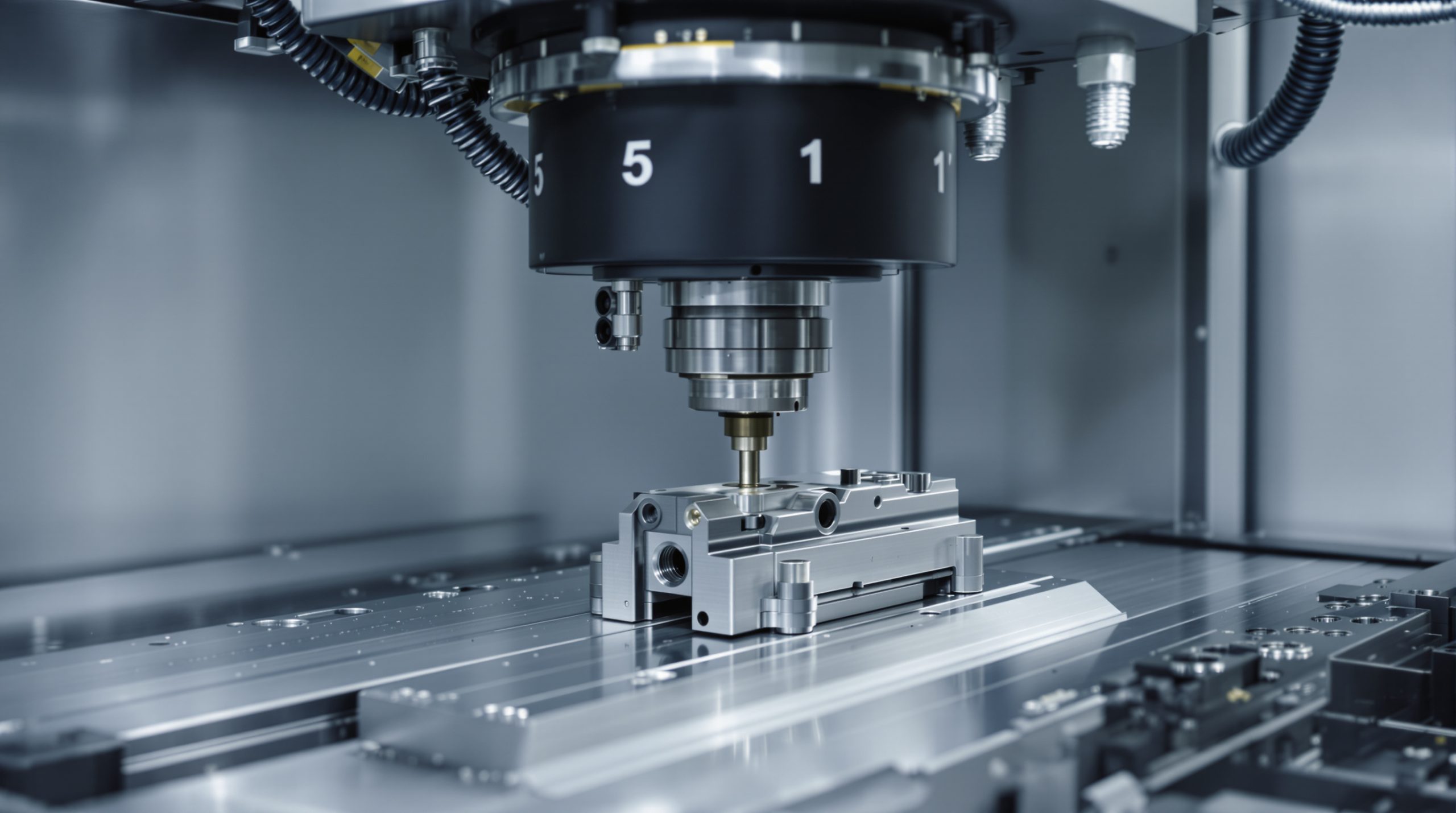
    What is 5-axis machining and how does it differ from 3-axis milling?

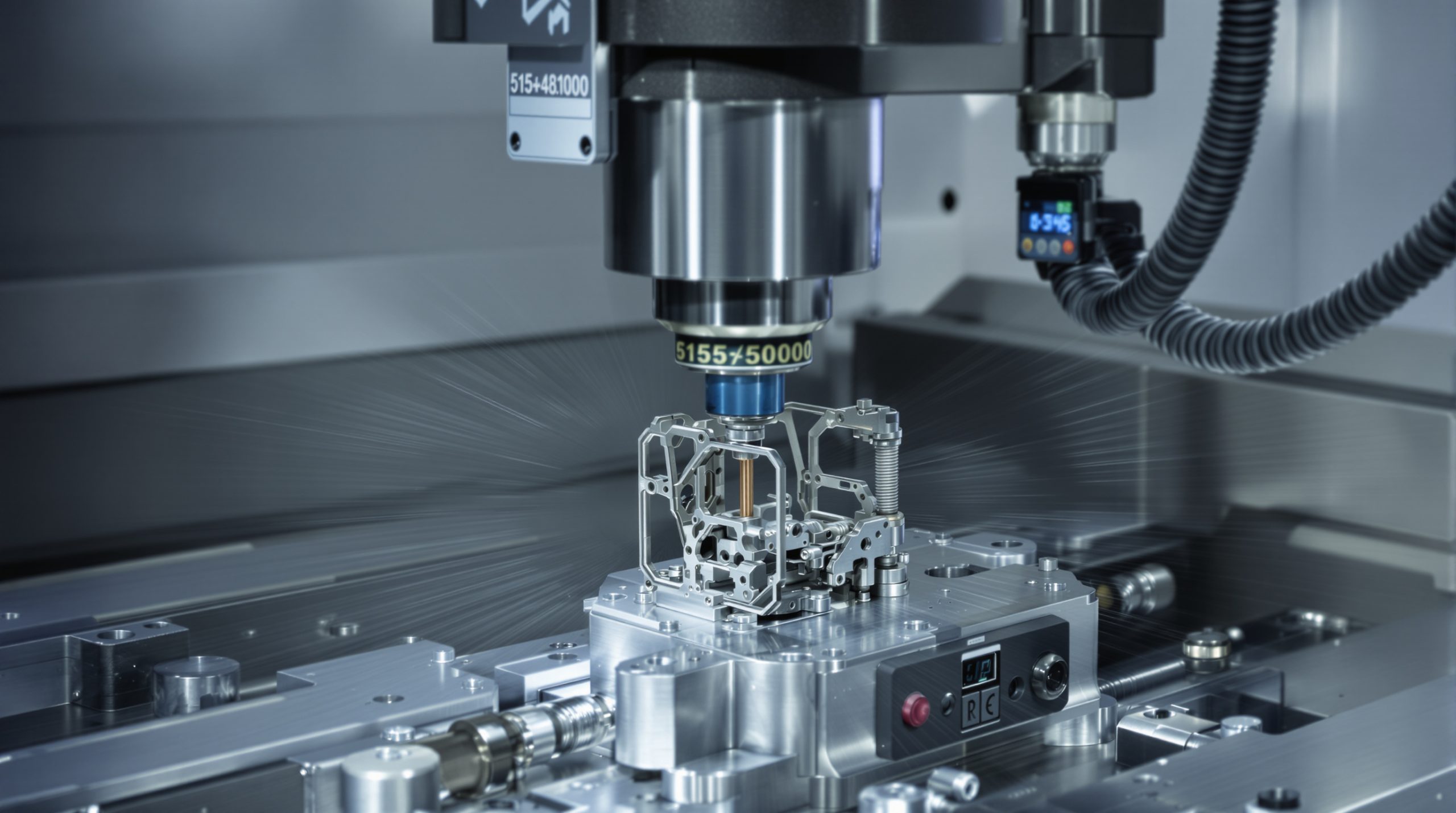
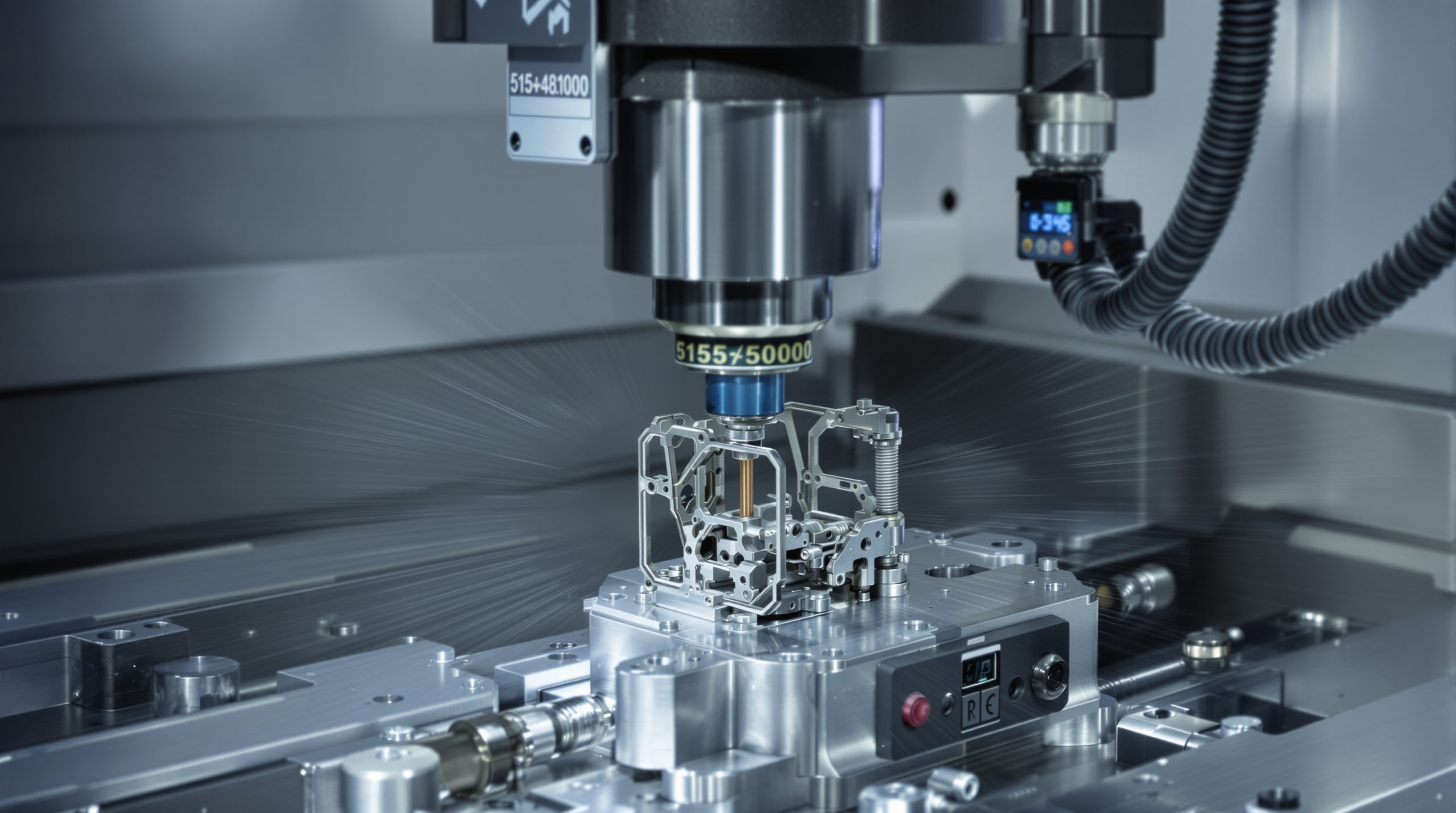
    Five axis CNC milling machines work with three straight line movements (X, Y, Z) plus two rotation points (usually A and B). These allow tools to move freely across all five directions at once. Traditional 3 axis machines struggle with complicated shapes because they need constant readjustment by hand. But five axis equipment tilts either the part being worked on or the cutting tool itself to keep the best possible angle during machining. The result? Fewer times when operators have to stop and reset everything. Manufacturers in industries like aircraft production, car manufacturing, and medical device making find this particularly valuable since it lets them create intricate parts without compromising quality or increasing production time.

    Key benefits of 5-axis CNC machining: reduced setup time and enhanced versatility

    When parts can be machined through multiple operations while still clamped in place, 5 axis mills significantly reduce those little errors that build up when parts get moved around too much during production. According to some research published last year in manufacturing circles, shops that switch to these advanced machines see their setup times drop by almost two thirds compared to what they used to spend on regular 3 axis setups. What really sets them apart though is how those rotating axes work together to handle complex shapes like curved surfaces, tricky undercuts, and those hard to reach deep pockets that basic machines just cant touch. Because of all this flexibility, many toolmakers and prototype shops have started relying heavily on 5 axis CNC milling for creating custom molds, testing new product designs, and running small batches where precision matters most.

    Superior surface finish and precision in complex geometry processing

    The shorter tool paths made possible through rotational axes help reduce deflection during machining operations, resulting in surfaces that are about half as rough compared to what we get with standard three axis machines. When there’s constant contact between the cutting tool and the material being worked on, vibrations drop significantly too, allowing for tight tolerances around plus or minus 0.005 millimeters even when working with tough materials like titanium or inconel alloys. Industries manufacturing parts such as aircraft turbine blades or medical implants really need this kind of accuracy because tiny flaws at microscopic levels can actually break down how these components function properly over time.

    Common limitations and challenges of 5 axis CNC machining

    The 5 axis mill is great for making complicated parts but comes with some serious requirements. These machines need programmers who know their stuff plus special systems to handle the dimensional changes caused by heat buildup during operation. Let’s talk numbers for a moment. The upfront cost typically goes beyond half a million dollars, and keeping them running smoothly costs around 30 to maybe even 40 percent more compared to regular 3 axis machines. For many shops, especially smaller ones, this creates a real dilemma. They have to weigh those big expenses against how much faster production becomes. Sometimes when parts aren’t too complex, all that extra capability just isn’t worth it from a business standpoint.

    Comparing 5 Axis Mill Configurations and Their Impact on Performance
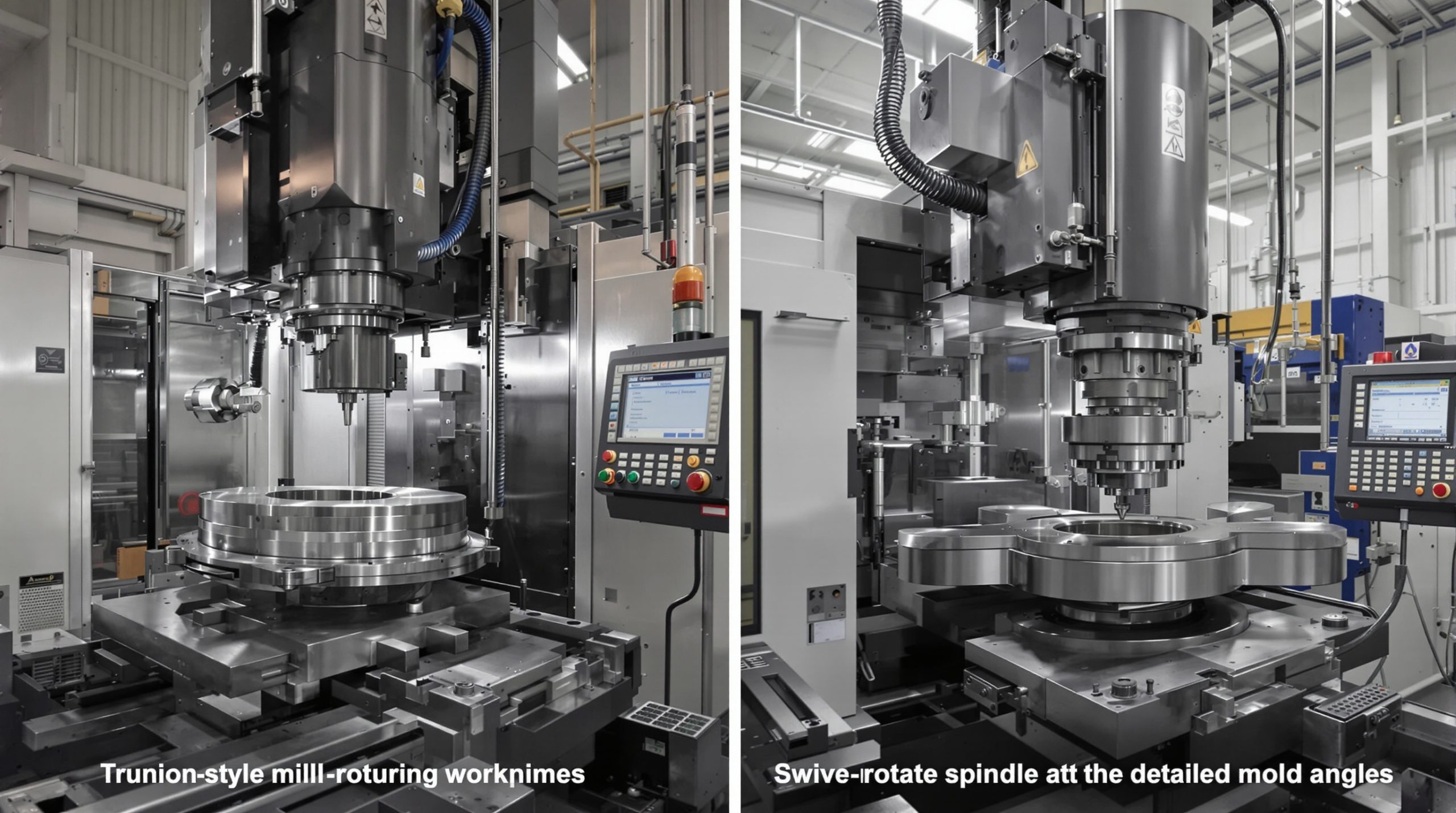
    Trunnion-style vs. swivel-rotate-style 5-axis machine designs

    Trunnion style machines work by rotating the workpiece across two axes – usually labeled as A (X-axis) and C (Z-axis) rotary tables. This setup helps keep things stable when cutting through tough materials, which is why they’re so popular for making parts used in airplanes and spacecraft. On the other hand, swivel rotate machines have their spindle mounted on different swivels, typically along B (Y-axis) and C (Z-axis). These allow machinists to get into those tricky angles needed for detailed molds and complex shapes. Most shops find that trunnion machines hold up better when removing lots of material quickly, but when dealing with tight spaces and complicated undercuts, swivel configurations tend to win out because they just don’t interfere with the workpiece as much during operation.

    Double pivot spindle head and table-tilting configurations compared

    The double pivot spindle head allows tools to move in all directions which is really important when working on turbine blades. Meanwhile, table tilting setups move the actual workpiece around on angled beds instead. Some advanced 5 axis milling machines actually merge these two approaches together so they can manipulate both the workpiece and the cutting tool at once without needing to stop and reposition anything for parts with multiple surfaces. While universal machine setups give operators the most flexibility possible, they do come with added complexity. For simpler jobs involving boxy shaped components, tilting table machines tend to be better suited since they maintain straightforward workflow processes. How stable a machine stays over time depends a lot on its design specifics too. Machines equipped with built in cooling systems generally stay more accurate throughout lengthy operations where temperature fluctuations would otherwise cause problems.

    Understanding 3+2 axis machining versus continuous 5-axis milling

    The 3+2 machining technique holds the cutting head at compound angles which simplifies those tricky 3-axis milling paths. This works great when dealing with multiple flat surfaces that need precise positioning. Then there’s continuous 5-axis milling where the tool moves in all directions at once. The result? Tolerances around 0.02mm as per ISO standards, perfect for things like impeller blades with their complex shapes. According to some research from the Tooling Research Institute, switching to 3+2 can cut down programming headaches by about 40%. But what really stands out is continuous milling’s ability to do away with those pesky secondary setups completely. For intricate contours like medical implants, this approach saves roughly two thirds of the usual machining time compared to traditional methods.

    Work envelope size, part accessibility, and rigidity across configurations

    Machine design directly dictates usable workspace; trunnion systems typically offer 20% larger envelopes but sacrifice deep-pocket reach versus articulated-arm configurations. Compare accessibility metrics:

    Configuration Max Tool Angle Deep Cavity Access Rigidity Index
    Trunnion Table 110° Moderate ⭐⭐⭐⭐⭐
    Swivel-rotate Spindle 130° Excellent ⭐⭐⭐⭐⭑
    Hybrid Universal 180° Superior ⭐⭐⭐⭐⭐

    Rigidity correlates with vibration resistance: monolithic castings in trunnion systems yield 15% higher material removal rates for titanium than cantilevered swivel designs according to machining benchmarks.

    Evaluating Precision, Rigidity, and Thermal Stability in 5 Axis Mill Systems

    The role of machine rigidity and dynamic stability in high-accuracy milling

    Getting down to micron level accuracy with 5 axis CNC milling really comes down to how sturdy the machine is built. Machines that resist bending under cutting force are essential for this kind of work. When manufacturers build these machines with solid structural designs and fill them with granite bases, they get better stability. This helps cut down on vibrations even when the spindle spins at crazy fast speeds like 15,000 RPM. And let’s face it, stiffness matters a lot for those fine details on the surface finish. A good rigid 5 axis mill can stay accurate to within just 5 microns while working on tough materials like aerospace alloys, something that makes all the difference in high precision manufacturing environments.

    Thermal compensation systems and long-term precision in 5 axis mills

    Keeping things running continuously is tough because of thermal expansion problems. When temperatures change, bearings and screws can shift as much as 20 microns per meter. To deal with this issue, modern equipment now includes sensors built right into the spindle housing and ballscrew components. These sensors send live information straight to the CNC controller so adjustments happen automatically. What does this mean? The machines stay super accurate at around plus or minus 0.001 inches throughout an entire 8 hour shift. And this level of precision isn’t just nice to have either. Medical implant manufacturers rely on these tolerances since even tiny deviations could affect patient safety in critical applications.

    Measuring accuracy: ISO standards vs. real-world performance in 5-axis CNC machines

    ISO 230-2 outlines standard testing procedures that rely on laser interferometry techniques, but what happens in actual practice often depends heavily on how things are set up and what tools are being used. Research indicates that temperature changes alone contribute to about 60 percent of all measurement inaccuracies when compensation isn’t applied properly. Looking at recent findings from studies on ultra precision milling operations reveals something interesting too. When manufacturers implement these advanced error mapping strategies, they actually see a noticeable drop in measurement discrepancies. These improvements help close the distance between theoretical lab results and what really occurs during everyday manufacturing processes on factory floors.

    Optimizing Spindle Performance and Feed Rate for 5 Axis CNC Milling

    Spindle Speed, Torque, and Power Requirements for Diverse Materials

    When working with modern 5 axis milling machines, getting the right spindle setup for different materials makes all the difference. Aluminum and composite materials work best when the machine spins above 40,000 RPM. This keeps production moving fast without letting too much heat build up in the workpiece. Things change quite a bit when dealing with hardened steels though. These materials need slower speeds between 6,000 and 12,000 RPM but require significantly more torque power, at least 40 Newton meters to keep cutting effectively. Maintaining position accuracy becomes really important over long machining sessions. Good thermal compensation systems help keep errors within plus or minus 5 microns. This is especially crucial when machining titanium since the cutting forces can jump around so much during operations.

    Feed Rate Optimization Techniques for Efficient 5 Axis Milling

    Getting the right balance between feed rate and chip load keeps tools from deflecting while still maintaining good productivity levels. When working on those tricky thin wall parts in aerospace manufacturing, adaptive feed systems can tweak speeds anywhere from 15 to 30 percent automatically. According to research from NIST back in 2023, this kind of adjustment actually cuts down overall cycle time by around 22%. Dealing with complicated shapes requires something special though. Vector based path planning for cutting tools maintains consistent chip thickness throughout the operation. Industry tests have found this approach extends tool life by about 35% over standard linear methods, which makes a big difference when running production batches.

    Case Study: High-Speed Spindle Integration in Aerospace Component Manufacturing

    One turbine blade maker saw their production cycles speed up by nearly 20% after switching to a new hybrid spindle setup that packs 30 kW peak power along with those impressive 42,000 RPM capabilities. What really makes this system stand out is how it handles vibrations during operation. The active damping tech brought down surface roughness measurements from around 0.8 microns all the way down to just 0.3 microns, which actually meets those strict standards required for jet engine blades. And here’s something else manufacturers are talking about these days: this particular configuration allows them to machine those heavy duty Inconel 718 engine mounts that weigh about 14 kilograms in one single setup. Before this innovation came along, workers had to go through no fewer than three different operations using standard 3-axis machines to get the job done right.

    Matching 5 Axis Mill Features to Your Production Needs: A Buyer’s Guide

    Key Specifications to Evaluate When Choosing a 5 Axis Mill

    Selecting the right 5 axis mill requires balancing techni
  • How a 5 Axis Mill Boosts Precision and Reduces Production Time

    How a 5 Axis Mill Boosts Precision and Reduces Production Time

    The Technological Evolution Behind the 5 Axis Mill

    From 3-axis to 5-axis CNC machining: a technological leap

    Moving from standard 3-axis to advanced 5-axis CNC machining marks a real game changer for precision manufacturing work. Older 3-axis systems can only move along straight lines on X, Y, and Z axes, which means machinists have to stop and reposition parts several times when working on complicated shapes. The newer 5-axis machines solve this problem by adding those extra rotational A and B axes, so tools can reach into tricky angles without all the setup changes. According to recent data from CNC Tech Insights (2023), shops using these machines see around 60% fewer positioning steps, making it possible to cut those detailed curves and hard-to-reach areas without breaking stride. This kind of capability is exactly what companies in aerospace and medical device manufacturing need, especially since they often require components with tolerances down to just 0.005mm or better for critical applications.

    Key differences between 3, 4, and 5-axis machining capabilities

    The core distinctions lie in motion freedom and precision outcomes:

    Machining Type Axes Complexity Limit Setup Efficiency Tolerance Range
    3-axis X/Y/Z Low-moderate 3-5 repositions ±0.1mm
    4-axis +1 rotational Moderate 1-2 repositions ±0.05mm
    5-axis* +2 rotational High Single setup ±0.025mm
    *Simultaneous axis control        

    While 3-axis systems excel at prismatic parts, 5-axis technology dominates in producing complex, contoured components such as turbine blades through dynamic tool orientation.

    How simultaneous multi-axis control elevates precision

    With true 5 axis machining, manufacturers can reach incredible levels of precision at the micron scale because all five axes move together at once. The machine keeps changing the cutting tool’s position constantly so it stays perfectly aligned with whatever part is being made. When compared to regular 4 axis setups where one axis gets locked during certain cuts, these simultaneous movements help reduce how much the cutting tool bends or deflects. That means better control over how chips form when material gets removed from parts, which cuts down on vibrations during operation. According to research published last year in the Precision Engineering Journal, surface quality actually improves around 60 percent with this approach. What makes 5 axis machines so special? They let engineers create complex shapes that just aren’t possible using traditional methods. Think about those spiral passages inside engine blocks or the tiny threaded sections on surgical implants. These kinds of features have become standard requirements across many industries where component reliability matters most.

    Achieving Unmatched Precision with 5 Axis Mill Technology

    Enhanced precision and tighter tolerances through dynamic tool positioning

    Five axis milling machines can get surface deviations down below 0.004mm because they adjust the tool angles as they cut through materials. The way these machines manage cutting forces helps avoid those annoying vibrations that mess up precision in regular three axis systems. When working on titanium parts for airplanes where tolerances need to be within plus or minus 0.0005 inches, the constant rotation of the A and B axes keeps the cutting tool perfectly perpendicular to what it’s machining something that just isn’t possible with standard fixed setups. The benefits are pretty impressive too. Shops report needing about 75% less polishing work after machining, and the final products maintain their exact shape even on really complicated surfaces.

    Role of precision engineering in 5-axis CNC custom machining

    Precision engineering enables 5-axis performance through three critical systems:

    • Thermal-compensated ball screws delivering ±2¼m positioning accuracy
    • Rigid machine frames that dampen vibrations below 0.1g
    • Real-time servo feedback correcting position 4,000 times per second
      Together, these technologies achieve rotational axis repeatability under 8 arc-seconds—essential for medical implants where deviations under 5¼m impact biocompatibility and long-term performance.

    Case study: aerospace component production with sub-0.001mm accuracy

    Manufacturers who work with turbine blades have found that when they use 5-axis milling machines, they get really impressive results. The conformity rate for nickel alloy parts goes up to nearly 99.8%. These machines can handle those tricky 57 degree undercuts along with airfoil shapes all in one go without having to move things around. When companies stop needing to refixture their parts during production, it takes away one big problem area where positioning errors happen. This allows them to maintain incredibly tight tolerances of 0.0008 millimeters even on complex curved surfaces. What does this mean practically? Well, scrap rates drop dramatically from 22% down to only 0.3%, which saves a ton of material costs. Plus, each batch requires 40 fewer hours spent on inspections, freeing up valuable shop floor time for other tasks.

    When is a 5 Axis Mill necessary for high-precision tasks?

    When dealing with complex shapes that need access from really steep angles, like those over 45 degrees undercut, a 5 axis mill becomes necessary. For parts where tiny tolerances matter so much that even small setup errors could add up beyond plus or minus 0.005 inches, traditional methods fall short. Hard materials above HRC 50 hardness also create problems because they bend tools if not approached correctly. And let’s face it, medical implants and aircraft components simply won’t meet their finish requirements unless we get down to sub 0.4 microns roughness average. That’s where 5 axis machining shines compared to regular three axis work. It actually makes possible those tight dimensions and smooth surfaces that just aren’t achievable step by step with conventional equipment.

    Reducing Production Time Through Streamlined 5 Axis Mill Workflows

    Fewer Setups in Machining Processes: The Cornerstone of Faster Turnarounds

    Five axis milling machines bring together several different machining steps all in one go, cutting down on manufacturing time by around 65% when compared with traditional three axis techniques. These machines give complete access to complex shapes without needing to move parts around between operations, which saves those precious 2 to 3 hours usually lost during setup changes. Take turbine blades for instance something that used to need at least four different setups is now possible in just a single clamp. This dramatic reduction in handling means factories can produce more components faster while maintaining quality standards across the board.

    How 5-Axis Milling Machines Eliminate Re-Fixturing Delays

    Integrated rotary axes allow continuous tool access to all part features without removing the workpiece, eliminating 78% of fixturing-related downtime (2024 machining benchmarks). One aerospace supplier reduced fixture preparation from 14 hours to just 35 minutes after adopting 5-axis technology, streamlining production and improving consistency.

    Data Insight: 40–70% Reduction in Production Time Reported by Leading Manufacturers

    Across 23 industries, manufacturers report cutting average cycle times from 11.2 hours to 3.7 hours using 5-axis workflows. A medical device company achieved 68% faster implant production while maintaining 0.002mm tolerances—critical for FDA compliance. Clients of a Shenzhen-based CNC innovator attribute 40–70% time savings to reduced toolpath complexity and automated tool changes.

    Trend Analysis: Growing Adoption of 5-Axis for Rapid Prototyping

    85% of machine shops now prioritize 5-axis systems for prototyping, shortening automotive R&D cycles by 6–8 weeks. According to 2023 AMT (Association for Manufacturing Technology) data, over half of lead time reductions stem from setup optimization, reinforcing 5-axis machining as a cornerstone of agile, just-in-time manufacturing strategies.

    Key Advantages of 5 Axis Mill Over Traditional 3-Axis Machining

    Superior Surface Finish and Complex Geometry Handling

    When it comes to surface finish quality, 5 axis CNC milling can deliver results that are roughly two thirds smoother compared to standard 3 axis systems. This happens because the machine maintains optimal tool engagement angles throughout the cutting process. With all five axes moving at once, machinists can use shorter cutting tools which vibrate far less during operation. Less vibration means less deflection in the workpiece material, so those annoying tool marks just disappear from the finished product. What this really means is manufacturers can now produce complex organic shapes like turbine blades or intricate medical implants with tolerances down to about plus or minus 0.005 millimeters. These kinds of geometries would be practically impossible to achieve using conventional milling equipment.

    Extended Tool Life Due to Optimal Cutting Angles

    Keeping chip loads steady and positioning cuts properly makes 5 axis machining cut down on tool wear somewhere around 25 to maybe even 40 percent when compared to traditional 3 axis techniques. When tools can be angled away from those really tough spots on parts, it stops edges from wearing out unevenly. This matters a lot for materials like hardened steel above HRC 50 mark or those special aerospace aluminum mixes. The real benefit here is being able to run these complicated parts through without stopping for tool changes. Take fuel injectors for example they just keep coming off the line one after another. And let’s not forget about the money saved either roughly between eighteen and thirty two dollars per piece in tooling expenses alone.

    Strategic Applications in Medical and Energy Sector Components

    When it comes to making spinal implants, 5 axis milling machines can reach surface finishes between 0.8 and 1.6 micrometers which is actually pretty remarkable considering how important that level of smoothness is for bones to properly integrate with the implant. At the same time, these machines maintain incredible accuracy below 0.01 millimeters throughout complex titanium lattice structures. Over in the energy field, manufacturers are finding that wind turbine housing parts can now be made all at once instead of going through multiple stages on older 3 axis equipment. This change alone saves around half the production time, which makes a huge difference when dealing with large scale projects. Given these advantages, it’s no surprise that many industries rely heavily on 5 axis technology for parts where even the smallest errors could lead to catastrophic failures. Precision really does matter when lives depend on reliable performance.

    Real-World Applications of 5 Axis Mill in High-Demand Industries

    Aerospace: Manufacturing Turbine Blades with 5-Axis CNC Machining

    Aerospace engineering demands extreme precision for turbine blades, which feature aerodynamic contours unachievable with traditional methods. 5-axis CNC machining enables dynamic tool positioning to produce these complex shapes in one setup, maintaining tolerances under 0.005mm. This capability is vital for jet engine efficiency and aviation safety compliance.

    Medical: Precision in Custom Implants Using 5-Axis Milling Machine

    Medical manufacturers use 5-axis CNC milling to produce patient-specific implants such as spinal cages and hip joints. Multi-axis articulation creates seamless, biocompatible titanium components with organic curves, eliminating the need for manual finishing. Surface finishes below 0.2µm Ra reduce bacterial adhesion, while dimensional accuracy within ±5 microns ensures surgical success.

    Automotive: Rapid Production of Complex Transmission Housings

    Automotive suppliers leverage 5 axis mill to accelerate transmission housing production by 45%. Simultaneous five-sided machining allows direct cutting of oil galleries, bolt bosses, and sensor mounts without re-fixturing. A single 5-axis machine replaces 3–4 traditional systems, enabling weekly output of 150+ complex housings with €0.01mm positional accuracy.

  • Top Benefits of Using a 5 Axis Mill for Complex Parts

    Top Benefits of Using a 5 Axis Mill for Complex Parts

    Superior Precision and Tighter Tolerances in Complex Machining

    How 5 Axis Mill Achieves Sub-5-Micron Dimensional Accuracy

    The latest 5 axis milling machines cut down on those pesky cumulative errors because they can handle complex shapes all in one go. Traditional 3 axis CNC systems need lots of repositioning during production runs, but these newer machines move along five axes at once, giving tools direct access even to tricky compound angles. With advanced ball screw technology providing feedback down to 0.1 microns and solid machine construction, these systems keep cutting accuracy well under 5 microns. That kind of precision matters a lot when making parts like optical mounts or fuel injector nozzles where tolerances are tight. Research from the University of Stuttgart back in 2024 showed something pretty impressive too: dimensional variations dropped by around 62% when using these 5 axis systems instead of old fashioned multi fixture approaches with regular 3 axis machines.

    Real-Time Calibration and Thermal Compensation in 5-Axis Systems

    The intense heat from high speed machining often causes warping issues in steel parts, sometimes as much as 8 to 12 microns for every 10 degree Celsius rise according to ASME research from last year. To tackle this problem, modern 5 axis CNC machines now come equipped with built-in temperature sensors throughout their spindles and guideways. These sensors send real time data to smart algorithms that constantly monitor conditions. For example, when working with tough materials like titanium alloys at speeds reaching 15 thousand RPM, the machine actually makes adjustments to axis positioning while still running, keeping everything within a tight tolerance range of plus or minus 3 microns. And between tool changes, manufacturers use laser interferometers to calibrate the system, which helps maintain consistent positioning over extended production cycles.

    Case Study: Aerospace Component Machining with 5 Axis Mill

    One turbine blade maker saw their scrap rate drop dramatically when they switched to 5-axis CNC milling technology. Before this change, they were dealing with around 14% waste, but now it’s down to just 2.1%. When they machine both the airfoil shapes and those intricate cooling channels all at once, the surface quality gets much better too. Surface flatness measurements went from about 8.7 microns Ra to only 3.2 microns Ra. Another big plus is that using a single fixture setup removes those pesky alignment problems that used to occur between the base and tip sections of blades. This has resulted in an impressive 98.6% success rate on the first try for these critical aviation parts where precision matters most.

    Unmatched Versatility for Complex Geometries and Design Freedom

    Simultaneous Multi-Axis Movement for Intricate Part Machining

    The 5 axis mill changes everything when it comes to making complicated parts because it can move along all five axes at once. No need to keep stopping and moving the workpiece around for different operations anymore. Just set it up once and watch as it machines those intricate shapes and gets into those really deep pockets that would be impossible otherwise. The machine keeps adjusting its path constantly so the cutting stays smooth and even throughout the whole process. For things like airplane turbine blades, this makes a huge difference. Less vibration means the tools don’t bend as much during cutting, which lets manufacturers hit those super tight tolerances of plus or minus 0.005 mm. And getting those measurements right matters a lot for how efficiently air flows over the blade surfaces.

    Manufacturing Complex Medical Implants Using 5 Axis Mill

    The production of medical implants really shows off what these machines can do. Five axis systems now create custom titanium knee joints and spinal cages straight from CT scans. With tight control over tool angles, manufacturers no longer need to finish those biocompatible surfaces by hand. Production times drop about two thirds compared to older techniques, which matters a lot when every micrometer counts for successful bone integration.

    Reduced Geometry Limitations and Elimination of Undercuts

    Traditional machining setups impose severe design constraints due to limited tool access angles. 5-axis technology overcomes this by dynamically tilting the cutting tool to:

    • Machine steep-walled cavities without tool collisions
    • Produce internal features and undercuts without secondary operations
    • Achieve draft angles exceeding 90° for injection molds This geometrical freedom reduces setup changes by 80% in automotive prototyping while enabling unified designs that consolidate multiple components.

    Reduced Lead Times and Human Error Through Automation

    Fewer Setups and Continuous Machining in 5 Axis Mill Operations

    When using 5 axis CNC milling, operators can reach every angle of a part geometry during just one setup operation, which means no more stopping and starting to manually reposition parts. The whole process runs continuously, cutting down on machine downtime by around 60 percent according to industry reports. Plus, the cutting tools stay working at their best throughout because they aren’t being stressed unevenly. Many manufacturing facilities have switched over from old fashioned 3 axis systems, and those who did see their production cycles speed up anywhere between 35% to almost half the original time it took before implementing these advanced machines.

    Data Insight: 70% Reduction in Handling Errors Post 5-Axis Adoption

    Switching over to 5 axis tech cuts down on where humans need to get involved during machining work. Factories report around 70 percent less mistakes when parts are handled because these machines position components with incredible accuracy, staying within plus or minus 0.0001 inches every time they run. The whole system just works so precisely that there’s no guesswork about measurements anymore. This actually makes a big difference in how many defective parts end up getting thrown away. For companies making expensive components, scrap rates drop about 34%. And let’s not forget the money saved. Mid sized shops typically see around $140 thousand dollars less spent each year just from cutting down on wasted materials alone.

    Streamlined Workflow from CAD Design to Final Part

    When advanced CAM software gets integrated properly, it basically bridges the gap between what’s designed digitally and what ends up as real parts. The whole process works much better together these days because we don’t have those old problems where different departments had to translate information back and forth. Production timelines typically shrink around 45%, which makes a huge difference for manufacturers. For really complicated parts that used to need several different machines and setups, everything can now happen in one go on a single machine tool. This cuts down how long products take to reach market by roughly 8 to 12 weeks for things like aircraft parts and medical devices, all while still making sure measurements stay within required tolerances.

    Enhanced Surface Finish and Consistent Part Quality

    5-axis mills deliver superior surface finishes critical for high-performance components by maintaining proper tool contact angles throughout complex contours.

    Optimal Tool Angling Reduces Scallop Marks and Re-Work

    Traditional 3-axis machines need those pesky positional stops throughout their operation, but 5-axis milling systems take a different approach. These advanced machines keep adjusting the cutting tool’s angle as they work through materials. What does this mean for finished products? Well, no more those annoying scallop marks on surfaces that show up after machining. Those little bumps require extra work later on just to polish them away. The way these systems maintain even pressure across tools means less bending or breaking of equipment during long runs, so operators don’t have to constantly step in to fix things. Look at what’s happening in aerospace manufacturing right now – companies are seeing around 40% fewer problems needing correction after initial machining processes. This translates into real money saved and faster turnaround times for aircraft components that meet strict quality standards.

    Case Study: Turbine Blade Finishing with 5 Axis CNC Mill

    One major turbine manufacturer recently hit an impressive Ra 0.4 micrometer surface finish on their components, which actually goes beyond what’s required in the aerospace industry standards. They accomplished this using advanced 5-axis milling techniques. The continuous toolpath control made it possible to move smoothly along those complex airfoil shapes without leaving any noticeable blend lines behind. What really stands out is how they managed everything in a single setup. This approach cut down the finishing time for titanium blades by around half, and there were absolutely no geometric issues that needed manual touch-ups afterward. Looking at the bigger picture, production yields have gone up by nearly 30% compared to last year according to data from Aerospace Machining Quarterly in 2023.

    Improved Repeatability and Quality Assurance in Production Runs

    Keeping track of spindle performance in real time along with thermal adjustments helps maintain stable dimensions from one batch to another, hitting that tight ±0.005 mm tolerance mark consistently. When automated sensors pick up on tool wear during machining, they automatically adjust offsets so surfaces stay uniform even after running parts for hours on end. Looking at statistical process control data reveals something pretty impressive too: around 92% of medical implant components pass quality checks on their first run, which cuts down significantly on the need for extra inspections later. All this careful repetition means fewer parts get rejected because of tiny variations that could mess up how well they seal against fluids or withstand repeated stress over time.

    Long-Term Cost Efficiency and Tool Life Optimization

    Extended Tool Life Through Even Load Distribution in 5 Axis Mill

    The 5 axis CNC milling machine really helps tools last longer because it manages forces better during operation. When the machine cuts in multiple directions at once, the workload gets spread out over the whole tool instead of building up pressure in one spot. This even distribution stops those hot spots from forming where tools tend to wear out fast. The balanced way these machines work keeps temperatures stable too, which means fewer tiny cracks develop in the tool material. Industry data shows tools used on 5 axis systems can last about 40 percent longer than what we see with traditional 3 axis setups. For manufacturers, this translates to saving money on replacing worn tools so often and getting less downtime when waiting for new ones to arrive.

    Reduction in Material Waste and Production Time

    Streamlined workflows in 5-axis machining minimize raw material waste through near-net-shape manufacturing and zero intermediate repositioning. Single-setup capability eliminates alignment errors from manual refixturing, reducing scrap rates by 15–30%. Faster cycle times (25% shorter on average) and unattended operations compress project timelines while reducing labor overhead.

    In summary, the 5 Axis Mill redefines complex part manufacturing by merging unmatched precision, versatile geometry handling, and streamlined efficiency into one solution. It not only slashes production costs and lead times through reduced waste and automation but also ensures consistent, high-quality outputs critical for industries like aerospace and medical. For businesses aiming to stay competitive in crafting intricate, high-performance components, the 5 Axis Mill stands as an indispensable tool.

  • Top 7 Advantages of 5 Axis CNC Machining for Precision Manufacturing

    Top 7 Advantages of 5 Axis CNC Machining for Precision Manufacturing

    Unmatched Precision and Tighter Tolerances with 5 Axis CNC Machine

    Why 3-Axis Machining Falls Short in High-Precision Applications

    Standard 3-axis CNC machines work only along straight lines on the X, Y, and Z planes, which means operators have to stop and move the part several times to reach all features. Every time they reset the position, small alignment mistakes happen. Studies show around 70% of those tiny measurement problems come from these repeated setups adding up over time. Another issue is that tools stay in fixed positions, so they can’t always cut at the best angle. This leads to surfaces that look uneven and parts that don’t hold their shape properly, particularly when working on intricate shapes or curved surfaces where precision matters most.

    How 5 Axis CNC Machine Achieves Sub-Micron Accuracy

    Five axis CNC machines work by moving at the same time along three straight lines (X, Y, Z) plus two rotation points (either A/B or B/C). This setup means parts don’t have to be taken out and reset multiple times during production. These machines come equipped with sophisticated feedback systems that use really accurate encoders. They can spot tiny position changes down to about 0.001 millimeters and then make automatic corrections when things get warm or tools start wearing down over time. The result? Machining accuracy around plus or minus 1 micron. That kind of precision matters a lot in industries like optical components manufacturing, semiconductor fabrication, and making medical equipment where even slight errors just won’t cut it.

    Real-World Example: Producing Medical Components at ±0.001mm Tolerance

    One major maker of surgical implants saw their rejected parts drop by nearly half when they moved to 5 axis CNC machining for making titanium femoral heads. The big difference came from being able to finish all important features during just one machine setup. They managed to get those spherical measurements down to about 0.001 mm precision which is actually around 70 times thinner than what we typically see in human hairs at roughly 0.07 mm thick. Such tight control over dimensions means these joints fit together much better inside people’s bodies. Better fitting implants translate into improved results for patients and longer lasting devices overall.

    Best Practices: Calibration and Maintenance for Consistent Accuracy

    To sustain micron-level precision, regular laser calibration (recommended quarterly) and spindle runout monitoring are essential. Facilities using AI-assisted calibration routines report a 35% reduction in annual dimensional drift. Adhering to ISO 230-2 standards for positional accuracy verification and replacing linear guides every 8,000 operational hours further prevents gradual performance degradation.

    Machining Complex Geometries with 5 Axis CNC Machine Flexibility

    Challenges of Sculpted Surfaces on Traditional 3-Axis Systems

    Standard 3-axis CNC machines have real trouble handling those complex organic forms we see in things like turbine blades or custom medical implants because their tool paths are basically locked in place and they can’t reach certain angles easily. When manufacturers want to create these intricate curved surfaces, they usually end up needing several different setups throughout the process, which means there’s always a chance something gets out of alignment between steps. The tools just don’t engage consistently across all surfaces either, resulting in subpar finishes and plenty of scrapped parts. According to some recent numbers from Machining Insights 2024, shops using traditional three axis systems report about 23% more waste material than those who’ve switched over to multi-axis alternatives. That kind of difference adds up fast on production floors.

    Simultaneous Multi-Axis Motion Enables Intricate Part Design

    With 5 axis CNC machines, both the cutting tool and the workpiece move around each other during operation, which keeps the cutting angle just right even when working on those tricky deep cavities or complicated curved surfaces. Manufacturers can actually create really intricate parts now, like those titanium fuel nozzles that have these fancy internal lattice structures needing super tight tolerances of plus or minus 0.005 millimeters. A recent study from the aerospace manufacturing sector back in 2025 showed something interesting too these machines cut down on setup time for complex parts by about 40 percent compared to what was done traditionally. That kind of efficiency makes a big difference in production shops where every minute counts.

    Case Study: Turbine Blade Fabrication Using 5 Axis CNC Machining

    An energy sector leader achieved 99.6% dimensional accuracy in gas turbine blade production using 5-axis CNC technology. The machine’s B-axis tilt eliminated manual repositioning for airfoil profiling, reducing cycle time per blade from 8.5 to 3.2 hours. Surface consistency improved so significantly that post-machining polishing was reduced by 72%.

    Maximizing Design Freedom with CAD/CAM Integration

    Today’s 5 axis systems work with CAD CAM software packages to create toolpaths that avoid collisions when making complicated parts like helical gears or those bracket designs optimized through topology analysis. Before any actual cutting happens, designers get to test out shapes that optimize fluid flow and check if they can actually be manufactured. According to the latest issue of Advanced Manufacturing Quarterly from 2024, this kind of digital approach has opened up about 31 percent more design options for people working on cars and robots. The ability to see what works digitally first saves time and materials down the road.

    Reduced Setup Times and Single-Setup Efficiency in 5 Axis CNC Machining

    The Hidden Delays of Multi-Stage 3-Axis Workflows

    3-axis machining typically demands 4–5 repositionings per part, with each setup taking 15–30 minutes for recalibration and fixture changes. These non-cutting activities consume a significant portion of production time—automotive manufacturers report that 64% of lead time is spent on repositioning and related tasks.

    How Full 5 Axis Range Eliminates Repositioning Needs

    With full A/B-axis rotation, 5-axis CNC machines access five sides of a workpiece in a single clamp. Maintaining one coordinate system throughout machining removes cumulative positioning errors that contribute to ±0.1–0.3mm tolerance stack-ups in multi-stage processes, enhancing both speed and accuracy.

    Enabling Lights-Out Manufacturing Through Fewer Setups

    By reducing operator interventions by 70%, 5-axis CNC machines achieve 93–97% uptime during unattended operations. This supports overnight production of intricate parts, aligning with industry trends—42% of manufacturers now prioritize lights-out automation, according to the Manufacturing Technology Survey 2023.

    Superior Surface Finish via Optimal Tool Angling on 5 Axis CNC Machine

    Poor Surface Quality from Suboptimal Tool Contact in 3-Axis Systems

    Fixed tool orientation in 3-axis machining results in uneven contact on curved surfaces, causing scalloping, chatter, and gouging. Tools often operate at inefficient angles, especially in deep cavities, leading to deflection and inconsistent finishes. These imperfections increase hand-finishing time by 30–40% for complex components.

    Maintaining Perpendicular Tool Engagement with 5 Axis CNC Machine

    In 5 axis machining, the system changes how the cutting tool angles itself through those extra A and B axes so it stays at right angles to whatever part is being worked on. The way this flank milling works spreads out the force across the whole width of the cutting tool, which cuts down on stress by somewhere around two thirds. When the tool maintains that consistent 90 degree angle against the material, there’s less shaking during operation. That means machinists can push the machine harder with faster feed rates while still getting better finish quality, particularly when working with tough materials that have been heat treated or hardened.

    Aerospace Application: Achieving Mirror-Finish Surfaces

    In turbine blade manufacturing, 5-axis CNC machining delivers surface finishes of Ra 0.2–0.4 μm without manual polishing. By combining spindle tilting with high-speed contouring, tool paths become invisible on aerodynamically sensitive surfaces. Blade root interfaces meet FAA surface flatness requirements (±0.001mm) through precise tool angling and optimized chip removal.

    Minimizing Stepovers and Tool Marks Using Tilting Functions

    Simultaneous axis control reduces stepover distances by 50–75% compared to 3-axis methods. Programmable tilt vectors ensure smooth transitions between surfaces with consistent step sizes. Eliminating repositioning avoids witness lines and overlapping tool marks, while intelligent toolpath planning directs exit moves away from critical cosmetic areas.

    Increased Productivity and Long-Term Cost Efficiency of 5 Axis CNC Machining

    The old school 3-axis workflow comes with all sorts of hidden expenses nobody really talks about these days. Think about those repeated setups, the need for special fixtures, plus all the hands-on monitoring required. For mid size manufacturing shops, roughly 18 percent of their actual production hours just disappear because they keep having to move parts around between operations. That’s where 5 axis CNC machining changes everything. When companies switch to this technology, they can do multiple operations at once without constantly resetting everything. Labor bills drop significantly too since there’s less need for specialized tools. Some auto parts makers working on gearboxes report getting their production cycles down by almost two thirds simply by eliminating those annoying repositioning breaks in the process.

    Forward-thinking manufacturers combine 5 axis CNC machine with AI-driven toolpath optimization to reduce energy consumption by 22% and extend tool life. This integrated strategy lowers per-part costs by 31% over a five-year equipment lifespan, making 5-axis technology economically viable even for low-volume, high-precision production.

  • DEPU CNC Debuts Advanced 5-Axis Solutions at Paris Air Show 2025

    DEPU CNC Debuts Advanced 5-Axis Solutions at Paris Air Show 2025

    Show Highlights

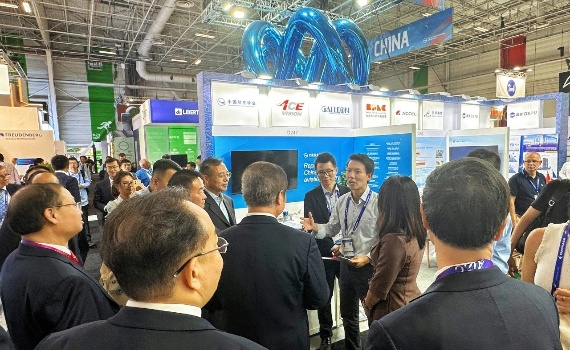
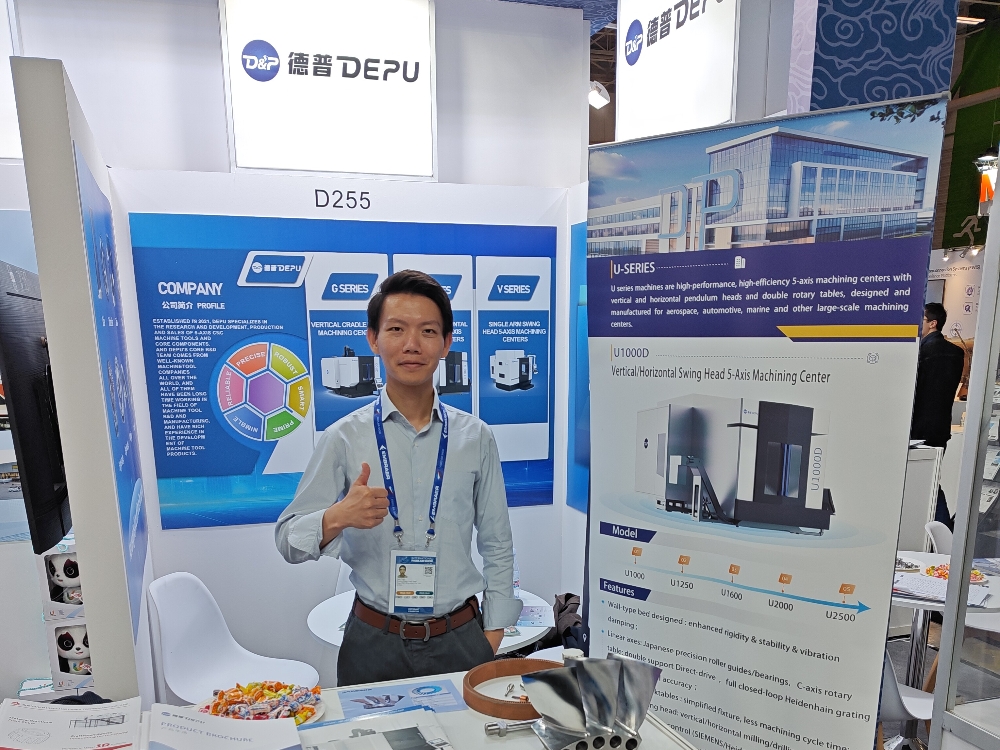
    Cutting-Edge Technology: DEPU displayed its latest 5-axis machining equipment, designed for complex aerospace components.

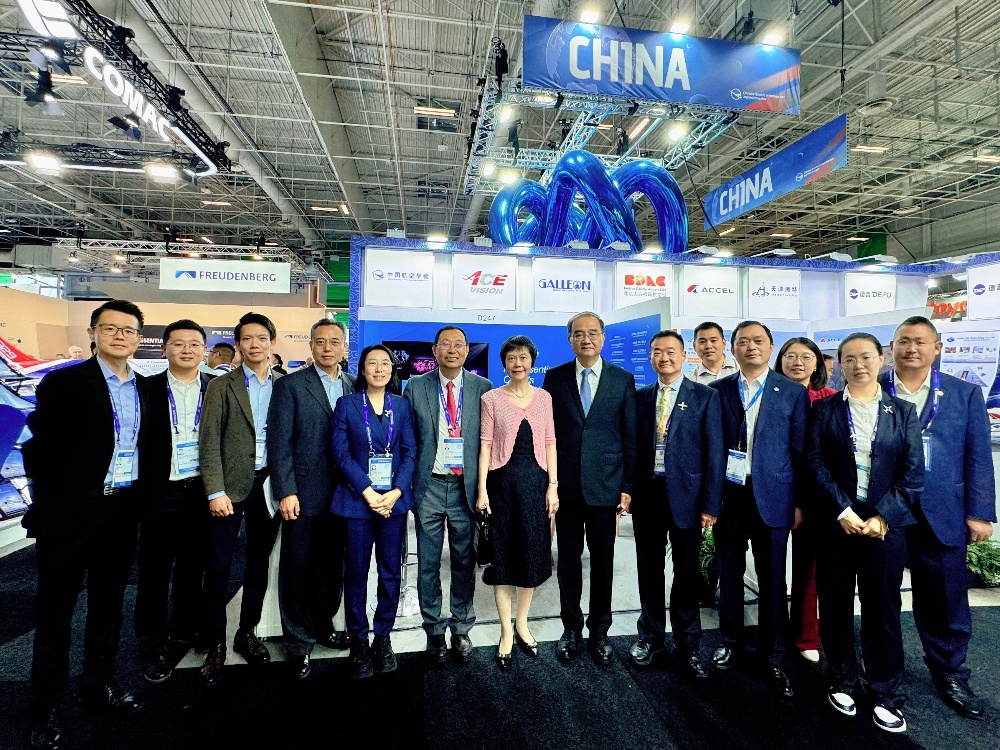
    Industry Recognition: Senior executives from major aviation companies and representatives from the Chinese delegation visited DEPU’s booth to explore its technological innovations.

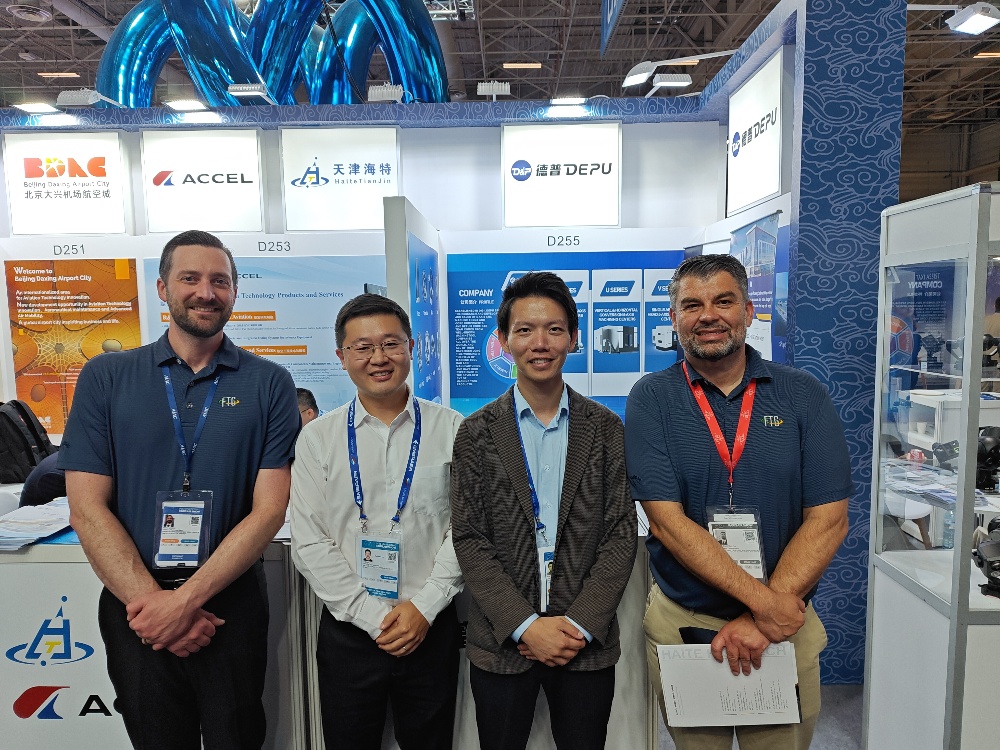
    Global Interest: Numerous international aerospace manufacturers and potential partners engaged in discussions about DEPU’s solutions and collaboration opportunities.

    A Commitment to Excellence

    DEPU’s participation in the Paris Air Show underscores its dedication to advancing high-precision manufacturing and supporting the global aerospace supply chain.

    Key Features

    High-Performance Machining: Tailored solutions for critical aerospace applications.

    Innovative Design: Advanced technology for improved efficiency and accuracy.

    Industry Collaboration: Strengthening partnerships with global aviation leaders

  • DEPU CNC Breaks Ground on New $22M Smart Factory in Zhejiang, Boosting High-End CNC Production

    DEPU CNC Breaks Ground on New $22M Smart Factory in Zhejiang, Boosting High-End CNC Production

    Project Highlights

    1. DEPU’s Smart Manufacturing Base

    l Annual Capacity: 120 units of 5-axis machining centers + core components

    l Facility: 430,387 sq.ft (40,000 m²) smart factory with:

    * Climate-controlled labs (±0.1°C)

    * Precision testing zones (equipped with ZEISS CMM)

    * Automated production lines (gantry mills & high-precision grinders)

    2. Strategic Impact

    By expanding local 5-axis CNC production capacity, the facility will simultaneously boost Zhouwangmiao’s manufacturing competitiveness and advance China’s “new quality productivity” goals in strategic sectors like aerospace structural components and electric vehicle drivetrain parts.


    Ceremony Keynotes

    Xu Min, Party Secretary of Zhouwangmiao:
    “These projects accelerate our vision to become a $1.4B (¥10B) industrial hub, focusing on smart manufacturing and new materials.”

    Xu Xingwen, Chairman of DEPU CNC (Haining):
    “This facility will amplify our R&D in multi-axis CNC technology through partnerships with local universities, while expanding global market reach.”


    Broader Development

    The 21 projects represent a diversified investment portfolio spanning smart manufacturing (accounting for 85% of total capital allocation), infrastructure development including new logistics corridors, and eco-agriculture initiatives featuring sustainable farming technologies – collectively driving Zhouwangmiao’s transformation into a next-generation industrial hub.

  • DEPU@CIMT2025: Your Exclusive Invitation Is Here

    DEPU@CIMT2025: Your Exclusive Invitation Is Here

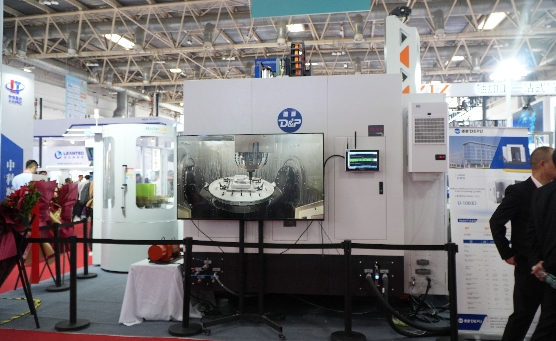
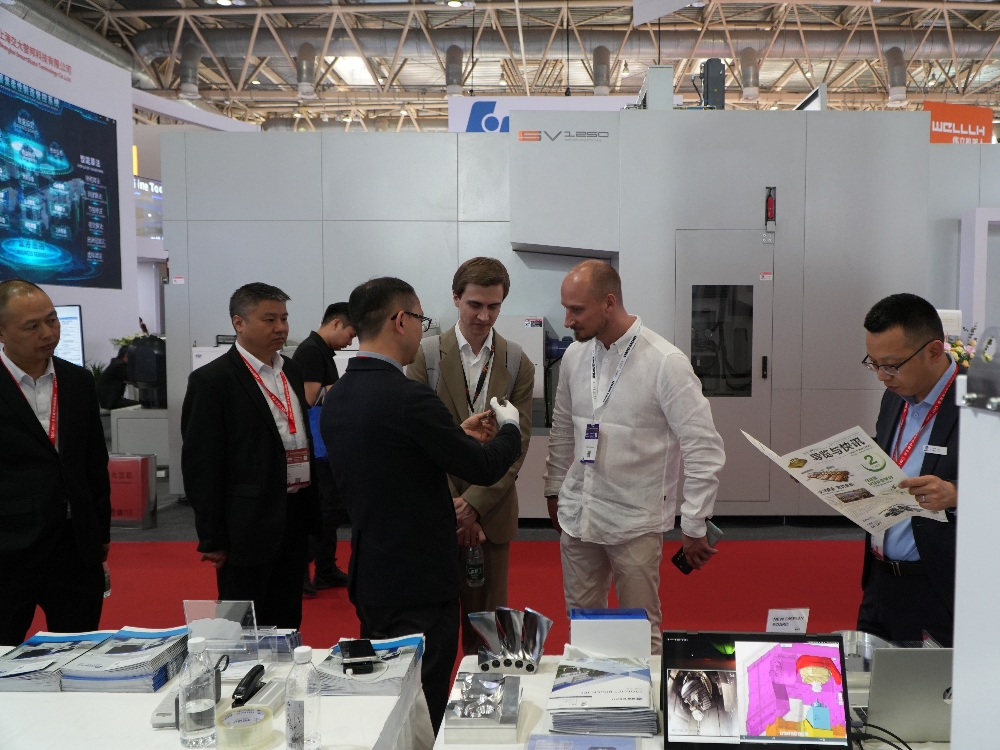
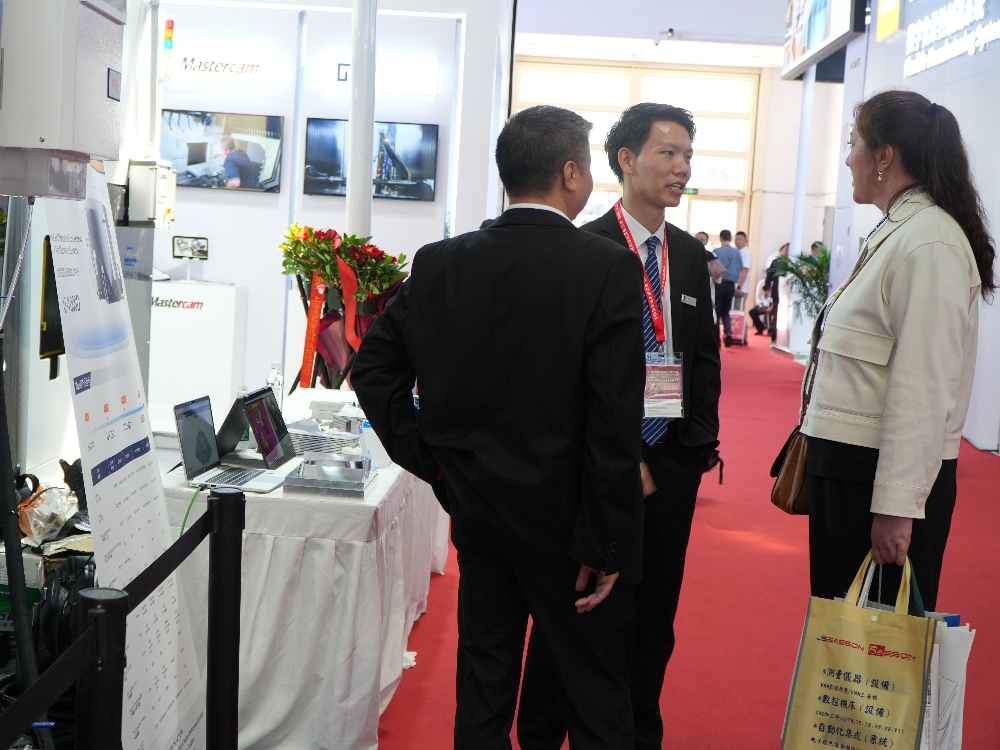
    From April 21-26, 2025, the 19th China International Machine Tool Show (CIMT2025)—the world’s largest machine tool event spanning 310,000 square meters—will kick off in Beijing! DEPU CNC is proud to showcase its cutting-edge high-end five-axis CNC machines at this prestigious exhibition. Join us to explore innovation, collaborate with industry leaders, and embark on a new chapter in advanced manufacturing!


    Date: April 21-26, 2025

    Address: Capital International Exhibition Center of ChinaChina International Exhibition Center ( Shunyi Hall )Shunyi, Beijing, P.R.China

    DEPU Booth: E2-B201