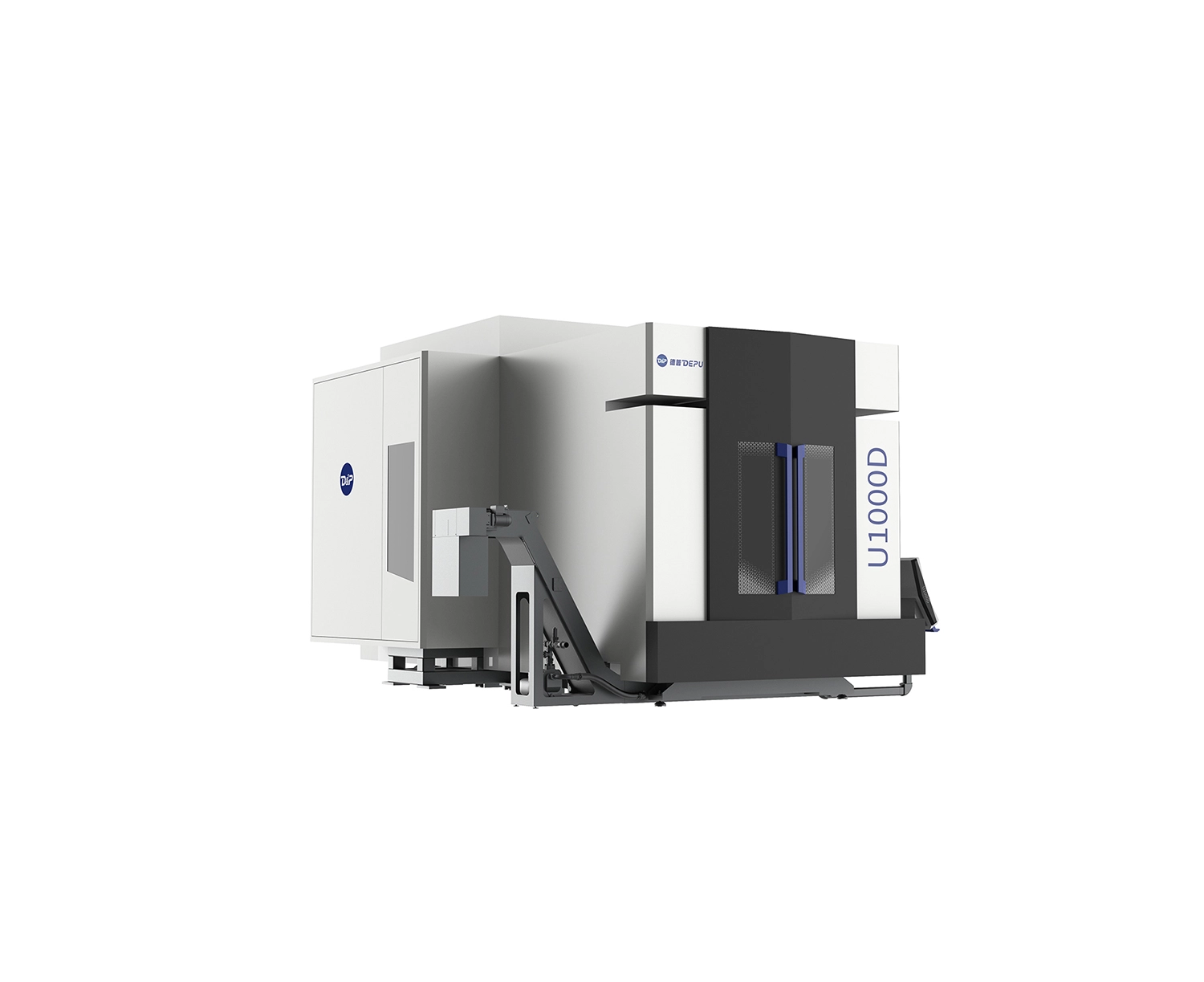
分类: Industry Trends & News

  • What Separates High-End 5-Axis Machines from Standard CNC Systems

    What Separates High-End 5-Axis Machines from Standard CNC Systems

    Introduction: Not All CNC Machines Are Equal

    In modern manufacturing, both standard CNC systems and 5-axis CNC machining centers are widely used. However, when it comes to demanding applications, the gap between standard machines and high-end systems becomes significant.

    High-end 5 axis CNC machines are designed for advanced precision machining, enabling consistent micron level machining and superior performance in complex part production. The difference lies not in one feature, but in the integration of structure, motion, and stability.

    1. Machine Structure and CNC Machine Rigidity

    One of the biggest differences is CNC machine rigidity.

    High-end machines offer:

    • Heavier, more stable structures
    • Better load distribution
    • Reduced deformation under cutting forces

    Standard CNC systems may handle simple parts well, but lack the rigidity required for consistent precision CNC machining in complex geometries.

    2. Machine Geometry CNC and Accuracy

    Machine geometry CNC defines how accurately the machine can position the tool.

    High-end 5-axis cnc machining systems:

    • Maintain tighter geometric tolerances
    • Offer better axis alignment
    • Provide more accurate kinematic performance

    This enables reliable micron level machining, especially in multi-axis applications.

    3. Dynamic Stability CNC and Motion Control

    Dynamic stability CNC is a critical differentiator.

    High-end machines:

    • Minimize vibration and chatter
    • Maintain smooth motion at high speeds
    • Provide stable cutting conditions

    Standard CNC systems often struggle with dynamic loads, limiting precision machining performance.

    4. Kinematics and Multi-Axis Capability

    In 5-axis cnc machining, kinematics plays a central role.

    High-end systems:

    • Offer optimized axis configurations
    • Ensure smooth multi-axis coordination
    • Reduce interpolation errors

    This results in higher precision CNC machining accuracy and better performance in complex parts.

    5. Thermal Stability and Long-Term Accuracy

    Thermal behavior significantly impacts accuracy.

    High-end 5 axis CNC machines include:

    • Advanced cooling systems
    • Symmetrical structural design
    • Thermal compensation technologies

    These features ensure stable micron level machining even during long machining cycles, while standard machines may experience drift.

    6. Surface Quality and Precision Machining Performance

    Surface finish is a direct reflection of machine capability.

    High-end machines deliver:

    • Smoother surfaces
    • Consistent finishes
    • Reduced need for secondary processing

    This is essential for high-end precision machining applications where surface quality is critical.

    7. Process Integration and Efficiency

    High-end 5-axis cnc machining systems improve overall process efficiency by:

    • Enabling single-setup machining
    • Reducing manual intervention
    • Improving repeatability

    Standard CNC systems often require multiple setups, reducing precision machining efficiency.

    Conclusion: Performance Comes from Integration

    The difference between standard CNC systems and high-end 5 axis CNC machines lies in system integration.

    High-end machines combine:

    • Strong CNC machine rigidity
    • Accurate machine geometry CNC
    • Stable dynamic stability CNC
    • Advanced thermal control

    Together, these enable consistent micron level machining and superior precision CNC machining performance.

    For manufacturers working with complex parts, investing in high-end 5-axis CNC machining is not just about capability—it is about achieving reliable, repeatable, and high-quality results.

    FAQ

    1. What is the main difference between high-end and standard CNC machines?
    High-end machines offer better rigidity, stability, and precision, especially for complex parts.

    2. Why is 5-axis CNC machining more advanced?
    It allows multi-surface machining in a single setup, improving accuracy and efficiency.

    3. How does dynamic stability CNC affect performance?
    It reduces vibration and ensures consistent cutting conditions, improving precision.

    4. Can standard CNC machines achieve micron level machining?
    They can for simple parts, but struggle with complex geometries and long cycles.

    5. Is investing in high-end CNC machines worth it?
    Yes, for applications requiring high precision, efficiency, and consistent quality.
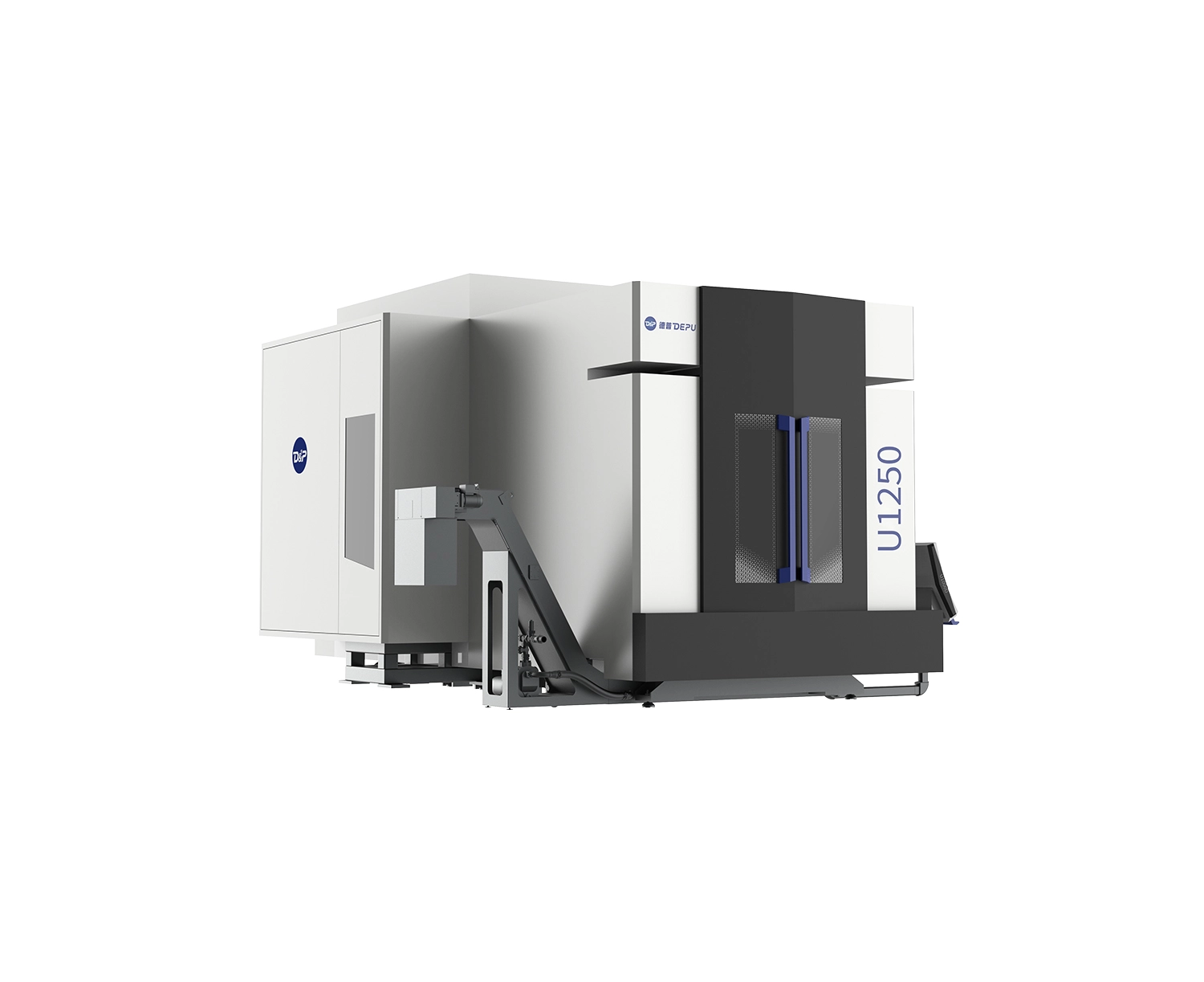
  • How to Maintain Accuracy Across Long 5-Axis Machining Cycles

    How to Maintain Accuracy Across Long 5-Axis Machining Cycles

    Introduction: Accuracy Over Time Is the Real Challenge

    In 5-axis CNC machining, achieving accuracy at a single moment is not enough. The real challenge is maintaining that accuracy throughout long machining cycles.

    In long cycle machining, factors such as heat buildup, structural deformation, and process variation gradually reduce precision machining performance. To achieve stable micron level machining, manufacturers must control these variables across the entire process—not just at the start.

    1. Control Thermal Stability CNC from the Start

    Thermal variation is the primary cause of accuracy drift in long cycles.

    During extended 5 axis CNC operations:

    • Spindles and motors generate heat
    • Ambient conditions fluctuate
    • Heat distribution becomes uneven

    Improving thermal stability CNC includes:

    • Preheating the machine before machining
    • Using active cooling systems
    • Maintaining a stable workshop environment

    Stable temperature conditions are essential for consistent micron level machining and reliable precision CNC machining.

    2. Maintain Machine Geometry CNC Consistency

    Machine geometry CNC must remain stable throughout the cycle.

    Over time:

    • Thermal expansion can shift alignment
    • Mechanical stress can alter axis relationships

    To maintain geometry:

    • Perform regular calibration
    • Use compensation systems
    • Monitor axis behavior during machining

    Stable machine geometry CNC ensures that precision machining accuracy is maintained from start to finish.

    3. Optimize Dynamic Stability CNC

    Dynamic stability CNC is critical in long machining cycles.

    As machining continues:

    • Toolpaths become more complex
    • Vibration may increase
    • Cutting conditions can change

    Improving dynamic stability CNC involves:

    • Reducing resonance through structural design
    • Optimizing motion control parameters
    • Ensuring smooth axis transitions

    Strong dynamic stability supports consistent micron level machining over extended periods.

    4. Ensure Cutting Stability CNC Throughout the Process

    Stable cutting conditions are essential for maintaining accuracy.

    In long cycles:

    • Tool wear increases
    • Cutting forces change
    • Heat generation rises

    To maintain cutting stability CNC:

    • Monitor tool condition
    • Adjust cutting parameters when necessary
    • Use high-quality tooling

    Consistent cutting ensures that precision CNC machining results remain stable.

    5. Use Shorter Tool Overhang and Proper Tooling

    Tool setup has a major impact on long-cycle accuracy.

    Best practices include:

    • Minimizing tool overhang
    • Using rigid tool holders
    • Selecting appropriate tool materials

    These measures improve stability and help maintain micron level machining in 5-axis cnc machining.

    6. Leverage Process Integration in 5-Axis CNC Machining

    One advantage of 5 axis CNC is the ability to reduce process interruptions.

    By integrating operations:

    • Setup changes are minimized
    • Positioning errors are reduced
    • Process consistency improves

    This supports stable precision machining and reduces cumulative errors in long cycles.

    7. Monitor and Adjust in Real Time

    Maintaining accuracy requires continuous monitoring.

    Effective strategies include:

    • Using in-process measurement systems
    • Applying real-time compensation
    • Tracking thermal and positional changes

    These tools help maintain precision CNC machining accuracy throughout the entire machining cycle.

    Conclusion: Stability Over Time Defines Accuracy

    In 5-axis CNC machining, true accuracy is measured over time, not at a single point.

    Maintaining accuracy in long cycles requires:

    • Strong thermal stability CNC
    • Consistent machine geometry CNC
    • Reliable dynamic stability CNC
    • Stable cutting conditions

    By controlling these factors, manufacturers can achieve consistent micron level machining and high-quality precision machining results, even in the most demanding long-cycle applications.

    FAQ

    1. Why is it difficult to maintain accuracy in long CNC machining cycles?
    Because thermal effects, tool wear, and structural changes gradually affect machining precision over time.

    2. What is the most important factor in long-cycle accuracy?
    Thermal stability is the most critical factor, as temperature changes directly affect machine geometry.

    3. How does dynamic stability CNC affect long cycles?
    It ensures smooth motion and reduces vibration, maintaining consistent accuracy.

    4. Can tool wear affect machining accuracy?
    Yes. Tool wear changes cutting forces and can lead to dimensional deviations.

    5. How can accuracy be monitored during machining?
    Through in-process measurement, real-time compensation, and continuous system monitoring.

     
  • Why Complex Geometries Expose Weaknesses in CNC Machine Design

    Why Complex Geometries Expose Weaknesses in CNC Machine Design

    Introduction: Complexity Reveals What Simplicity Hides

    In precision machining, simple parts rarely challenge a machine’s full capability. However, when it comes to complex geometries CNC, hidden weaknesses in machine design quickly become visible.

    In 5-axis CNC machining, parts often involve multi-surface contours, tight tolerances, and continuous tool orientation changes. These conditions push machines to their limits, exposing issues in machine design CNC, dynamic stability CNC, and machine geometry CNC that may not appear in simpler operations.

    1. Multi-Axis Motion Amplifies Machine Design Limitations

    In 5 axis CNC, multiple axes must move simultaneously with high precision.

    Challenges include:

    • Coordinating linear and rotary axes
    • Maintaining consistent tool orientation
    • Minimizing interpolation errors

    Weak machine design CNC leads to:

    • Positioning inaccuracies
    • Motion instability
    • Reduced precision CNC machining performance

    Complex geometries amplify these issues, making them impossible to ignore.

    2. Dynamic Stability CNC Under Complex Toolpaths

    Dynamic stability CNC becomes critical when machining complex shapes.

    In these scenarios:

    • Toolpaths change direction frequently
    • Acceleration and deceleration are constant
    • Cutting forces vary continuously

    If dynamic stability CNC is insufficient:

    • Vibration increases
    • Surface quality degrades
    • Micron level machining becomes inconsistent

    Complex geometries expose whether a machine can maintain stability under real working conditions.

    3. Machine Geometry CNC and Accumulated Errors

    Machine geometry CNC plays a major role in accuracy.

    For complex parts:

    • Small geometric errors accumulate across surfaces
    • Multi-axis misalignment becomes more significant
    • Toolpath deviations become visible

    Even minor issues in machine geometry CNC can prevent achieving reliable precision machining results, especially in high-end applications.

    4. CNC Machine Rigidity and Structural Weakness

    Complex geometries often require:

    • Deep cavities
    • Long tool reach
    • Variable cutting forces

    These conditions increase the demand on CNC machine rigidity.

    Weak rigidity results in:

    • Structural deformation
    • Tool deflection
    • Reduced micron level machining accuracy

    This is where limitations in machine design CNC become most evident.

    5. Thermal Effects in Long, Complex Machining Cycles

    Machining complex parts often involves long cycle times, which introduce thermal challenges.

    Heat buildup can:

    • Alter machine geometry CNC
    • Affect spindle position
    • Reduce precision CNC machining consistency

    Machines with poor thermal control struggle to maintain micron level machining across extended operations.

    6. Tool Accessibility and Kinematic Constraints

    Complex geometries require flexible tool positioning.

    Limitations in machine design CNC can cause:

    • Restricted tool access
    • Suboptimal cutting angles
    • Increased tool wear

    Advanced 5-axis cnc machining systems overcome these constraints by enabling better kinematics and tool orientation, improving precision machining efficiency.

    7. Surface Consistency as the Final Test

    Surface quality is often the clearest indicator of machine performance.

    In complex geometries:

    • Any instability becomes visible on the surface
    • Chatter and vibration leave marks
    • Inconsistencies reveal underlying issues

    Achieving smooth, consistent surfaces requires:

    • Strong dynamic stability CNC
    • Accurate machine geometry CNC
    • High precision machining capability

    Conclusion: Complexity Is the Ultimate Benchmark

    Simple parts may hide machine limitations, but complex geometries CNC expose them.

    They reveal weaknesses in:

    • Machine design CNC
    • Dynamic stability CNC
    • Machine geometry CNC
    • CNC machine rigidity

    For manufacturers aiming at high-end precision CNC machining, the ability to handle complex geometries is the true measure of machine capability. With advanced 5-axis CNC machining, these challenges can be addressed, enabling consistent micron level machining and superior performance.

    FAQ

    1. Why do complex geometries expose machine weaknesses?
    Because they require precise multi-axis coordination, which amplifies any design or stability issues.

    2. What role does dynamic stability CNC play?
    It ensures stable motion under changing conditions, which is critical for complex machining.

    3. How does machine geometry CNC affect complex parts?
    Small geometric errors accumulate across surfaces, reducing overall accuracy.

    4. Why is rigidity important in complex machining?
    It prevents deformation and ensures consistent tool positioning under varying loads.

    5. Can 5-axis CNC machining solve these challenges?
    Yes. It improves tool access, motion control, and stability, enabling better performance in complex geometries.

  • What Benefits can 5 Axis CNC Machining Bring Compared with Traditional Machining Methods

    Superior Precision and Reduced Positioning Errors with 5 Axis CNC Machining

    Tighter Tolerances via Continuous Tool Orientation Control

    Five axis CNC machining gets down to the micron level because it keeps changing how tools approach the workpiece while cutting, so there’s no need to stop and manually adjust positions. The machine maintains good contact throughout the whole process. These machines can hold tight tolerances around plus or minus 0.01 millimeters, which really matters when making parts that are critical to operations such as those used in aircraft or medical implants. For things like surgical tools and bones screws, getting these measurements right makes all the difference between success and failure in real world applications. According to what we see across industries, shops using this technology tend to cut their waste down by about forty percent compared to traditional methods that require multiple setups and steps, each introducing small errors that accumulate over time.

    Elimination of Cumulative Error from Multiple Setups in Traditional Machining

    Standard 3-axis machining tends to create alignment variations around plus or minus 0.05 mm every time fixtures are changed. For complicated components, this usually means going through three to five different setup stages, which builds up positioning mistakes and messes with important measurements like how round things are or whether surfaces stay parallel. The newer 5 axis CNC approach makes complete parts without needing multiple fixturing steps. By doing away with these compounded errors right from the start, it maintains better dimensional accuracy throughout everything being machined. Industry experience shows somewhere between 25% to 35% drop in rejected products when using this method, particularly noticeable in precision work areas like making turbine blades or automotive gearboxes where even small geometry issues can seriously impact how well something works and lasts over time.

    Unmatched Capability for Complex Geometries Using 5 Axis CNC Machining

    Simultaneous Multi-Angle Machining of Organic and Freeform Surfaces

    With 5 axis CNC machining, the machine can actually move along all five axes at once, which means it can create those really complicated shapes and surfaces that would be impossible with older methods. Think about things like airplane wing designs, medical implants that need to fit the body perfectly, or even car parts with those sleek curves we see today. Traditional 3 axis machines just can’t handle these kinds of jobs because they have to stop and reposition constantly, leading to those rough edges and segmented looks. The big advantage here is that the cutting tool stays in the best possible position during the whole process, no matter how twisty or curved the path gets. And let’s talk numbers for a second. When manufacturers switch to 5 axis systems, they typically see improvements around 0.01 millimeters in precision. That might not sound like much until you realize it cuts down production time by roughly 30 to 40 percent in places like aircraft manufacturing where every fraction of a second counts.

    Seamless Access to Undercuts, Deep Cavities, and Tight Internal Features

    When machines have rotational freedom on both A and B axes, they can reach into areas that would normally be impossible for standard tools. Think about those tricky spots like undercuts, really deep cavities, or tight internal pockets where traditional methods just don’t work well. The cutting tools actually come at the workpiece from multiple angles at once, which means complicated parts such as turbine blades or medical implants with intricate inner structures can be machined directly without needing extra jigs or separate processes. For manufacturers working on these kinds of complex internal shapes, this capability cuts down on setup time by around two thirds compared to conventional approaches. Not only does it speed things up overall, but it also maintains consistent quality across all produced parts despite their complexity.

    Significant Efficiency Gains: Fewer Setups and Shorter Cycle Times

    Single-Setup Completion of Parts Requiring 3–5 Setups on 3-Axis Machines

    Traditional 3-axis machining typically takes between 15 to 30 minutes just for setting up fixtures, aligning parts, and calibrating equipment. This adds roughly 40 to 60 percent extra time to the whole production run. In contrast, 5-axis CNC machining brings together several separate steps into one continuous operation. With only one fixture needed, the cutting tool can access every surface angle possible, handling those tricky angled cuts, curved shapes, and recessed areas without stopping or repositioning. The result? Non-cutting downtime drops by around 70%, and overall cycle times shrink by anywhere from 30% to 50%. Manufacturers see other benefits too: less work sitting in inventory waiting for next steps, fewer mistakes caused by manual handling, and better utilization of their current machine capacity. These improvements translate directly into faster product delivery times, which matters a lot in competitive manufacturing sectors.

    Enhanced Surface Finish and Part Integrity Through Optimal Tool Engagement

    Consistent Chip Load and Vibration Reduction via Tangential Tool Pathing

    The 5 axis CNC machining process really boosts both surface quality and how strong parts are built, all thanks to those smart tangential paths the tools take. When the machine keeps the chip load steady and makes sure the cutting edge stays engaged properly, this cuts down on those annoying variable forces that lead to vibrations. The result? Much less chatter than what we see with regular methods, sometimes as much as half reduction in chatter actually. Surfaces come out much smoother too, often below 0.4 microns roughness average. There’s also less damage happening beneath the surface layer, which means better metal properties overall. Tools last longer too, about 30 to maybe even 40 percent extra life span. And those tiny fractures that tend to pop up under stress situations? They get reduced quite a bit, so parts just last longer before they fail or need replacing.

    FAQ Section

    What are the main advantages of 5 axis CNC machining?

    The main advantages of 5 axis CNC machining include increased precision, reduced errors from multiple setups, ability to handle complex geometries, improved surface finish, and reduced production cycle times.

    How does 5 axis machining improve precision compared to 3 axis machining?

    5 axis machining improves precision by maintaining continuous contact and optimal tool orientation with the workpiece, allowing it to hold tighter tolerances and reducing errors that accumulate in multiple setup processes.

    Why is 5 axis CNC machining particularly beneficial for complex shapes and undercuts?

    5 axis CNC machining allows simultaneous movement along five axes, enabling access to complex shapes, undercuts, deep cavities, and intricate features without needing additional setups or special fixtures.

    How do efficiency gains in 5 axis machining impact manufacturing?

    Efficiency gains from 5 axis machining translate to fewer setups, shorter cycle times, reduced non-cutting downtime, and improved machine utilization, leading to faster production and delivery times.

  • How Process Stability Impacts Yield in Complex CNC Production

    How Process Stability Impacts Yield in Complex CNC Production

    Introduction: Yield Is a Stability Problem

    In complex part machining, yield is not just a quality metric—it is a direct reflection of process stability. Many manufacturers focus on improving individual parameters such as speed or tooling, but overlook the underlying issue: unstable processes.

    In 5-axis CNC machining, achieving high yield depends on maintaining consistent precision machining conditions across the entire production cycle. Without stable process stability CNC, even advanced equipment cannot guarantee reliable micron level machining or high first-pass success rates.

    1. What Is Process Stability CNC?

    Process stability CNC refers to the ability of a machining system to produce consistent results over time.

    It includes:

    • Stable machine behavior under load
    • Consistent cutting conditions
    • Repeatable toolpath execution

    High process stability CNC ensures that every part is produced with the same level of precision CNC machining, which is essential for maintaining yield in complex part machining.

    2. How Instability Reduces Production Yield

    Unstable processes introduce variability into machining results.

    Common consequences include:

    • Dimensional inconsistency
    • Surface defects
    • Increased scrap rates

    In precision machining, even small variations can push parts out of tolerance, reducing yield and increasing cost.

    Without stable micron level machining, manufacturers cannot maintain consistent quality across batches.

    3. Dynamic Stability CNC and Yield Consistency

    Dynamic stability CNC is a key component of process stability.

    When dynamic behavior is unstable:

    • Vibration affects tool position
    • Cutting forces fluctuate
    • Surface quality becomes inconsistent

    Strong dynamic stability CNC ensures smooth motion and stable cutting, improving precision machining consistency and increasing yield in 5 axis CNC production.

    4. Micron Level Machining and First-Pass Yield

    Achieving high first-pass yield requires consistent micron level machining.

    This means:

    • Tight tolerances are met reliably
    • Variability between parts is minimized
    • Rework is reduced

    Stable 5-axis cnc machining systems maintain consistent micron level machining, ensuring that more parts pass inspection on the first attempt.

    5. Precision CNC Machining and Repeatability

    Repeatability is a critical factor in yield.

    High precision CNC machining ensures:

    • Consistent dimensional accuracy
    • Uniform surface quality
    • Reliable process outcomes

    Without repeatability, even a well-machined part cannot guarantee high yield across production runs.

    6. Process Integration in 5-Axis CNC Machining

    5 axis CNC improves process stability by integrating multiple operations into a single setup.

    Benefits include:

    • Reduced setup variation
    • Fewer manual interventions
    • Improved process consistency

    This integration enhances process stability CNC, leading to higher yield in complex part machining.

    7. Machine Structure and Stability Foundation

    The foundation of process stability CNC lies in machine design.

    A robust machine provides:

    • High rigidity
    • Stable thermal behavior
    • Consistent geometry

    These factors support reliable precision machining and ensure stable conditions for micron level machining, directly improving yield.

    Conclusion: Stability Drives Yield

    In complex CNC production, yield is not just about quality control—it is about process control.

    High process stability CNC enables:

    • Consistent precision machining
    • Reliable micron level machining
    • Improved first-pass success rates

    With 5-axis CNC machining, manufacturers can achieve stable, repeatable processes that significantly increase yield while reducing waste and cost.

    FAQ

    1. What is process stability in CNC machining?
    It refers to the ability to maintain consistent machining conditions and results over time.

    2. How does process stability affect yield?
    Stable processes reduce variability, leading to fewer defects and higher first-pass success rates.

    3. What role does dynamic stability CNC play in yield?
    It controls vibration and motion behavior, ensuring consistent machining results.

    4. Why is micron level machining important for yield?
    It ensures tight tolerances are consistently met, reducing rejection rates.

    5. How does 5-axis CNC improve process stability?
    By reducing setups, improving consistency, and enabling integrated machining processes.

  • What Limits Precision in 5-Axis Machining More Than You Expect

    What Limits Precision in 5-Axis Machining More Than You Expect

    Introduction: Precision Is Lost in Ways You Don’t See

    In 5-axis CNC machining, many assume that limitations in precision machining come from tooling, programming, or machine specifications. However, in real production, the biggest constraints are often less obvious.

    Even with advanced systems, achieving consistent micron level machining is difficult because precision is affected by dynamic, thermal, and structural factors that are easy to overlook. Understanding these hidden limits is essential for improving precision CNC machining performance.

    1. Dynamic Stability CNC: The Invisible Limiter

    One of the most underestimated factors is dynamic stability CNC.

    During 5 axis CNC operations:

    • Rapid axis movements generate vibration
    • Acceleration changes affect motion smoothness
    • Resonance can occur under certain conditions

    Even small instability can:

    • Shift tool position at the micron level
    • Reduce surface quality
    • Limit overall precision machining capability

    Without strong dynamic stability CNC, high-end 5-axis cnc machining cannot achieve consistent accuracy.

    2. Machine Geometry CNC Degradation Over Time

    Machine geometry CNC is often assumed to be fixed, but in reality, it changes.

    Factors include:

    • Thermal expansion
    • Mechanical wear
    • Structural stress

    These gradual changes:

    • Affect axis alignment
    • Introduce positioning errors
    • Reduce precision CNC machining accuracy

    Maintaining stable geometry is critical for long-term micron level machining.

    3. Thermal Effects: The Most Persistent Error Source

    Temperature variation is one of the biggest hidden limits in 5 axis CNC.

    Heat generated during machining can:

    • Expand machine components
    • Shift spindle position
    • Alter machine geometry CNC

    Without proper thermal control, precision machining accuracy drifts over time, making stable micron level machining difficult to maintain.

    4. CNC Machine Rigidity Under Real Cutting Conditions

    Machine specifications often highlight static rigidity, but real machining conditions are dynamic.

    Under load:

    • Cutting forces vary continuously
    • Structural deformation can occur
    • Tool deflection increases

    Insufficient CNC machine rigidity leads to:

    • Inconsistent dimensions
    • Reduced precision machining stability
    • Lower high precision machining performance

    5. Cutting Stability CNC and Process Variability

    Even with a perfect machine, unstable cutting conditions can limit precision.

    Factors affecting cutting stability CNC:

    • Tool wear
    • Improper cutting parameters
    • Material inconsistency

    Unstable cutting leads to:

    • Vibration and chatter
    • Surface defects
    • Reduced micron level machining consistency

    6. Kinematic Complexity in 5-Axis CNC Machining

    In 5-axis cnc machining, precision is harder to maintain due to complex motion.

    Challenges include:

    • Multi-axis synchronization
    • Continuous tool orientation changes
    • Accumulated interpolation errors

    These factors limit precision CNC machining, especially in complex geometries.

    7. System-Level Interaction: Where Precision Is Really Lost

    The most important—and often overlooked—limitation is interaction between factors.

    Precision is not lost in one place, but across:

    • Structure
    • Motion
    • Thermal behavior
    • Cutting conditions

    If any part of the system is unstable, it affects the entire precision machining process.

    Conclusion: Precision Is Limited by the Entire System

    In 5-axis CNC machining, the real limits of precision are not always obvious. They come from:

    • Dynamic stability CNC
    • Machine geometry CNC
    • Thermal variation
    • CNC machine rigidity
    • Cutting conditions

    Achieving reliable micron level machining requires controlling all these factors together. True precision CNC machining is not about one improvement—it is about eliminating hidden instability across the entire system.

    FAQ

    1. What is the biggest hidden factor limiting precision in 5-axis CNC?
    Dynamic stability is one of the most overlooked factors, as vibration can affect accuracy at the micron level.

    2. Can machine geometry CNC change over time?
    Yes. Thermal effects and wear can gradually alter machine geometry and reduce accuracy.

    3. Why are thermal effects so important in precision machining?
    Because temperature changes cause expansion and deformation, directly affecting machining accuracy.

    4. Does higher rigidity always mean better precision?
    Higher rigidity helps, but dynamic stability and cutting conditions must also be controlled.

    5. How can precision limits be improved?
    By optimizing machine structure, maintaining geometry, controlling temperature, and stabilizing the machining process.

  • Where Does Machining Accuracy Really Come From in 5-Axis CNC?

    Where Does Machining Accuracy Really Come From in 5-Axis CNC?

    Introduction: Accuracy Is Not Just About the Controller

    In 5-axis CNC machining, many assume that machining accuracy comes primarily from the control system or software. In reality, true machining accuracy CNC is the result of multiple interacting factors working together.

    From machine structure to motion behavior, from thermal control to cutting stability, every element plays a role. Achieving consistent precision machining and reliable micron level machining requires a system-level approach—not a single upgrade or feature.

    1. Machine Structure: The Foundation of Accuracy

    The foundation of precision CNC machining is the machine structure itself.

    A well-designed structure provides:

    • High CNC machine rigidity
    • Resistance to deformation under load
    • Stable support for all axes

    Without sufficient rigidity, maintaining micron level machining becomes impossible, regardless of software capability. Structural stability directly defines the upper limit of machining accuracy CNC.

    2. Machine Geometry CNC: Accuracy of Motion

    Machine geometry CNC determines how accurately the machine can position the tool in space.

    Key factors include:

    • Axis straightness and perpendicularity
    • Rotary axis alignment
    • Kinematic accuracy

    Even small geometric errors can lead to significant deviations in 5-axis cnc machining, especially when working with complex surfaces. Stable geometry is essential for consistent precision machining.

    3. Dynamic Stability CNC: Controlling Motion Under Load

    In real machining conditions, movement is not static. Dynamic stability CNC determines how the machine behaves during motion.

    A machine with strong dynamic stability CNC:

    • Minimizes vibration and chatter
    • Maintains consistent tool positioning
    • Supports stable micron level machining

    Without dynamic stability, precision CNC machining accuracy cannot be maintained during high-speed or complex operations.

    4. Thermal Stability and Its Impact on Micron Level Machining

    Temperature changes are a major source of error in 5 axis CNC.

    Heat generated by:

    • Spindles
    • Motors
    • Ambient conditions

    can cause expansion and deformation at the micron level.

    Effective thermal control ensures:

    • Stable machine geometry CNC
    • Consistent micron level machining
    • Reliable long-cycle performance

    5. Cutting Stability and Process Conditions

    Even with a perfect machine, poor cutting conditions can reduce accuracy.

    Cutting stability CNC affects:

    • Tool deflection
    • Surface quality
    • Dimensional consistency

    Stable cutting conditions ensure that precision machining results match programmed toolpaths, maintaining high precision CNC machining quality.

    6. Kinematics in 5-Axis CNC Machining

    In 5-axis cnc machining, kinematics defines how axes move together.

    Accurate machine kinematics CNC ensures:

    • Smooth multi-axis coordination
    • Precise tool orientation
    • Reduced cumulative error

    This is critical for achieving high machining accuracy CNC, especially in complex geometries.

    7. System Integration: Where True Accuracy Comes From

    Ultimately, machining accuracy CNC is not determined by a single factor—it comes from integration.

    High-performance 5 axis CNC systems combine:

    • Strong structure
    • Stable geometry
    • Reliable dynamic stability CNC
    • Controlled thermal behavior
    • Optimized cutting conditions

    Only when all these elements work together can consistent micron level machining and high-quality precision machining be achieved.

    Conclusion: Accuracy Is a System Capability

    In 5-axis CNC machining, machining accuracy is not a feature—it is a system capability.

    It comes from the interaction of:

    • Machine structure
    • Machine geometry CNC
    • Dynamic stability CNC
    • Thermal and cutting stability

    For manufacturers aiming at high-end precision CNC machining, understanding where accuracy truly comes from is the key to improving both performance and consistency.

    FAQ

    1. What is the main source of machining accuracy in 5-axis CNC?
    It comes from a combination of machine structure, geometry, dynamic stability, and cutting conditions.

    2. Can software alone guarantee machining accuracy?
    No. Software helps optimize motion, but physical factors like rigidity and stability determine actual accuracy.

    3. How does CNC machine rigidity affect precision machining?
    Higher rigidity reduces deformation, ensuring stable tool positioning and better accuracy.

    4. Why is dynamic stability CNC important?
    It controls vibration and motion behavior, which directly impact machining precision.

    5. What role does micron level machining play in accuracy?
    It represents the ability to achieve extremely tight tolerances consistently, which depends on overall system stability.

  • Why Machining Costs Spiral in Complex Parts—and How 5-Axis Controls Them

    Why Machining Costs Spiral in Complex Parts—and How 5-Axis Controls Them

    Introduction: Cost Problems Start with Process Complexity

    In complex part machining, rising costs are often treated as inevitable. As geometries become more intricate, manufacturers face longer cycle times, higher rejection rates, and increased labor requirements.

    However, machining costs do not increase simply because parts are complex—they increase because traditional precision machining processes cannot handle complexity efficiently. This is where 5 axis CNC fundamentally changes the equation, enabling more stable precision CNC machining and consistent micron level machining while controlling cost escalation.

    1. Multiple Setups Multiply Cost, Not Just Time

    One of the biggest cost drivers in complex part machining is the reliance on multiple setups.

    Each setup introduces:

    • Alignment and fixturing time
    • Increased labor involvement
    • Higher risk of positioning errors

    These factors not only slow down precision machining, but also increase scrap and rework rates.

    With 5-axis cnc machining, single-setup processing:

    • Eliminates repeated positioning
    • Reduces setup time significantly
    • Improves overall 5 axis machining efficiency

    This directly lowers both labor and operational costs.

    2. Rework and Scrap from Unstable Precision Machining

    Unstable precision machining leads to inconsistent results, especially in complex geometries.

    Common issues include:

    • Dimensional deviation
    • Surface inconsistency
    • Failed inspection

    These problems result in rework or scrap, which is one of the fastest ways costs spiral out of control.

    By enabling stable micron level machining, 5 axis CNC:

    • Improves first-pass yield
    • Reduces material waste
    • Ensures reliable precision CNC machining

    3. Process Fragmentation Increases Inefficiency

    Traditional complex part machining often breaks the process into multiple stages:

    • Roughing on one setup
    • Semi-finishing on another
    • Finishing in separate operations

    This fragmentation creates inefficiencies:

    • Increased handling time
    • Higher risk of cumulative errors
    • Longer production cycles

    5-axis cnc machining integrates these steps into a unified process, significantly improving precision machining workflow and reducing total production time.

    4. Poor Tool Access Drives Up Tooling Cost

    In complex parts, tool accessibility is a major limitation.

    Without 5 axis CNC:

    • Tools operate at suboptimal angles
    • Cutting forces increase
    • Tool wear accelerates

    This leads to higher tooling costs and more frequent downtime.

    With optimized tool orientation, 5-axis cnc machining:

    • Reduces cutting load
    • Improves tool life
    • Enhances precision CNC machining efficiency

    5. Labor Dependency and Process Variability

    Traditional machining processes rely heavily on operator skill, especially in complex part machining.

    This introduces:

    • Process variability
    • Inconsistent results
    • Higher labor costs

    5 axis CNC reduces dependency on manual intervention:

    • Automated multi-axis control improves consistency
    • Repeatability enhances precision machining reliability
    • Fewer manual adjustments are required

    6. Inspection and Quality Control Costs Add Up

    As complexity increases, inspection requirements become more demanding.

    Manufacturers often face:

    • Increased inspection time
    • More frequent quality checks
    • Delays due to rework

    Stable micron level machining enabled by 5 axis CNC:

    • Improves dimensional consistency
    • Reduces inspection failures
    • Speeds up approval processes

    This lowers indirect costs associated with quality control.

    7. Machine Tool Structure Design Supports Cost Control

    Underlying all cost factors is machine tool structure design.

    A high-performance machine provides:

    • Strong rigidity
    • Stable thermal behavior
    • Reliable multi-axis coordination

    These characteristics enable consistent precision CNC machining and sustained 5 axis machining efficiency, reducing variability and cost over time.

    Conclusion: Controlling Cost Through Process Efficiency

    Machining costs spiral in complex part machining not because complexity is unavoidable, but because inefficiencies compound across the process.

    5 axis CNC addresses these challenges by:

    • Reducing setups
    • Improving precision machining accuracy
    • Enabling stable micron level machining
    • Increasing overall 5 axis machining efficiency

    By transforming fragmented processes into integrated, stable workflows, 5-axis cnc machining allows manufacturers to control costs while maintaining high-quality precision CNC machining.

    FAQ

    1. Why do machining costs increase in complex parts?
    Because multiple setups, process inefficiencies, and higher scrap rates increase both time and resource consumption.

    2. How does 5 axis CNC reduce machining costs?
    It reduces setups, improves accuracy, and integrates processes, lowering labor, time, and material waste.

    3. What role does precision machining play in cost control?
    Higher precision reduces errors and rework, which directly lowers production costs.

    4. Does micron level machining help reduce cost?
    Yes. It improves consistency and reduces rejection rates, minimizing waste and rework.

    5. Is 5-axis cnc machining suitable for high precision production?
    Yes. It provides better accuracy, efficiency, and repeatability for complex part machining.

  • How 5 Axis CNC Machining Reduces Production Time and Improves Efficiency in Modern Factories

    5 Axis CNC Machining: How Single-Setup Machining Eliminates Repetitive Fixturing and Alignment

    The Setup Bottleneck in Traditional 3-Axis Workflows

    With traditional 3 axis CNC machines, getting at those complicated shapes often means stopping and starting several times. Every time they need to reposition the workpiece, someone has to manually set it up again, check if everything lines up properly, then clamp it down securely. These steps can eat away at almost three quarters of the time when the machine isn’t actually cutting metal. What happens next? Well, all this repeated handling builds up tiny mistakes over each setup. We’re talking about errors that add up to more than tenth of a millimeter between setups, which leads to expensive fixes later on. When dealing with parts where even small deviations matter a lot, like airplane engine blades or surgical implants, these positioning issues really start to show their teeth once the component goes into service and faces real world stresses.

    How 5-Axis CNC Machining Enables Complete Part Completion in One Clamp

    With 5 axis CNC machining, manufacturers can get rid of those pesky bottlenecks because complex parts are made during just one clamping operation. The machine controls all those rotating axes at once so the cutting tool stays in constant contact with tricky areas like curves, undercuts, and complicated angles. No more having to stop and reposition the workpiece. Setup times drop dramatically around 60% give or take depending on the shop, and there’s less chance of accumulating tolerances when moving from feature to feature. What really matters though is how consistent everything stays down to the micron level. We tested this with some aerospace brackets and found that positioning errors stayed well within 0.02mm throughout production. The whole one step process opens up possibilities for completely automated manufacturing too. Parts coming off the line show practically no difference in dimensions whether they’re number one or number one hundred.

    Machining Complex Geometries Without Secondary Operations

    Why Intricate Features Demand Continuous 5-Axis CNC Machining

    Turbine blades, orthopedic implants, and those complicated fluidic manifolds all have these really intricate shapes with curves, deep recesses, and places where multiple surfaces meet that regular 3-axis machines just can’t reach properly. When manufacturers try to machine these parts using multiple steps, they run into problems with alignment drifting off track and tolerances stacking up over time. This means extra work down the line like hand finishing, EDM work, or having to go back and fix things based on inspection results. That’s where continuous 5-axis machining comes in handy. It keeps the cutting tool positioned correctly relative to the part throughout the whole operation. With the machine rotating while it cuts, we get complete access to even the most complicated geometries in a single setup. No need for those frustrating post machining fixes anymore. For industries like aerospace and medical device manufacturing, this kind of precision matters a lot because their products need to be accurate within fractions of a millimeter to function properly.

    Tool Orientation Control and Collision-Free Toolpaths

    Getting precise results on complicated surfaces depends heavily on adjusting the tool angles in real time. Five axis systems keep recalculating their position based on the actual shape of what they’re cutting. This helps maintain even chip loads, keeps tools from bending too much, and produces surfaces that look good across the board. Modern CAM software creates paths that won’t cause collisions by running through the entire machining process first. It checks everything from tool holders to fixturing and considers all the mechanical limitations of the machine itself before touching any material. This kind of planning ahead saves money because it stops expensive crashes and cuts down waste by around 30 percent when compared to old school manual programming methods. When working on those tricky deep cavities or delicate walls found in aerospace parts, having this kind of spatial awareness becomes absolutely essential if manufacturers want to hit those tight Ra specs below 3.2 microns without needing extra polishing steps later.

    Measurable Gains: Cycle Time Reduction and Throughput Optimization

    Benchmark Data: 30–50% Faster Cycle Times vs. 3-Axis (MTI 2023)

    Cycle time—the total duration from program start to finished part—directly governs factory throughput. MTI’s 2023 benchmark study confirms 5-axis CNC machining delivers 30–50% faster cycle times than equivalent 3-axis workflows, primarily by eliminating secondary operations and tool repositioning. Real-world performance shows:

    These metrics translate into strategic advantages:

    • Capacity expansion: A 50% cycle time reduction effectively doubles machine availability without capital investment
    • Resource optimization: Lower energy use per unit and extended tool life due to reduced retraction/repositioning
    • Quality consistency: Eliminating re-fixturing removes a primary source of dimensional variation

    Strategic Enablers: Integrated Workholding and AI-Driven Toolpath Optimization

    There are two main factors that really boost these performance benefits. The first one involves integrated workholding solutions like those modular tombstone setups, vacuum chucks we see everywhere now, and those fancy kinematic locators. These help keep parts stable and consistent when doing those aggressive cuts across multiple planes, which stops vibrations from messing up the accuracy. Then there’s the whole AI thing for toolpaths. Modern systems actually analyze how materials behave, what happens with the tools as they cut, and even track temperature changes while running. Based on all this data, they tweak feed rates, stepovers, and coordinate axes movements in real time. According to some recent studies from last year, this can knock another 15 to maybe 25% off cycle times depending on the setup. When manufacturers combine both approaches, they start seeing real differences in their day to day operations.

    • 22% higher Overall Equipment Effectiveness (OEE) scores
    • 30% reduction in work-in-progress inventory
    • Near-elimination of manual intervention between operations

    The shift to 5-axis CNC machining is not merely a technical upgrade—it’s a strategic throughput multiplier that sustains precision while compressing lead times and unlocking scalable, lights-out production.

    FAQ

    What is the main advantage of 5-axis CNC machining over traditional 3-axis machining?

    The primary advantage of 5-axis CNC machining is its ability to complete complex parts in a single setup, thereby reducing setup times by about 60% and minimizing the chances of errors due to repeated repositioning.

    How does 5-axis CNC machining improve cycle times and throughput?

    5-axis CNC machining increases cycle times and throughput by allowing for continuous machining of complex geometries in one go, eliminating the need for secondary operations and reducing tool repositioning, resulting in 30% to 50% faster cycle times compared to 3-axis machining.

    Why is continuous 5-axis machining ideal for intricate features?

    It maintains precise tool alignment relative to the workpiece throughout, thus handling complex geometries with ease while avoiding alignment drifts and improving overall part accuracy.

    What role do integrated workholding solutions play in 5-axis CNC machining?

    Integrated workholding solutions such as modular tombstones and vacuum chucks enhance the stability of the part during aggressive machining processes, ensuring accuracy and reducing vibrations.

    How does AI-driven toolpath optimization contribute to machining efficiency?

    AI-driven toolpath optimization continually adjusts machining parameters in real-time based on material behavior and tool conditions, effectively minimizing cycle times by 15% to 25% depending on the setup and ensuring consistent quality.

  • Where 5-Axis Machining Actually Saves Time in Complex Part Production

    Where 5-Axis Machining Actually Saves Time in Complex Part Production

    Introduction: Time Savings Beyond Cutting Speed

    When evaluating 5-axis CNC machining, many assume the primary benefit is faster cutting. In reality, the biggest time savings in precision machining come from process efficiency, not spindle speed.

    In complex part machining, time is lost in setups, repositioning, rework, and manual intervention. 5 axis CNC addresses these inefficiencies, enabling faster overall production while maintaining micron level machining and high precision CNC machining quality.

    1. Eliminating Multiple Setups

    One of the most significant time savings in 5 axis CNC comes from reducing setups.

    Traditional machining:

    • Requires multiple fixtures and repositioning
    • Involves repeated alignment and probing
    • Introduces downtime between operations

    With 5-axis cnc machining:

    • Parts are completed in a single setup
    • Alignment is done once
    • Setup-related delays are eliminated

    This dramatically improves precision machining efficiency and reduces total production time.

    2. Reducing Manual Intervention

    Manual operations are a major source of inefficiency in complex part machining.

    Without 5 axis CNC:

    • Operators must reposition parts
    • Manual finishing may be required
    • Process consistency varies

    With 5-axis cnc machining:

    • Automation handles multi-angle machining
    • Human intervention is minimized
    • Processes become repeatable

    This improves both speed and consistency in precision CNC machining.

    3. Faster Machining Through Optimal Tool Orientation

    5 axis CNC allows the tool to approach the workpiece at optimal angles.

    This leads to:

    • Better cutting conditions
    • Higher material removal efficiency
    • Reduced tool wear

    While not always increasing spindle speed, this improves overall precision machining efficiency and reduces machining time per part.

    4. Minimizing Rework and Inspection Delays

    Rework is one of the biggest hidden time losses in manufacturing.

    With improved 5 axis machining accuracy:

    • Parts meet tolerance on the first pass
    • Inspection failures are reduced
    • Rework cycles are minimized

    Consistent micron level machining ensures that precision CNC machining processes are more predictable, saving significant time across production batches.

    5. Streamlining Complex Part Machining

    In complex part machining, traditional methods often require breaking the process into multiple steps.

    5-axis cnc machining enables:

    • Complete multi-surface machining in one process
    • Reduced process fragmentation
    • Shorter overall production cycles

    This integration significantly improves 5 axis machining efficiency and reduces lead time.

    6. Improving Surface Quality and Reducing Finishing Time

    Surface finishing can add significant time to production.

    With 5 axis CNC:

    • Smoother toolpaths improve surface quality
    • Better cutting angles reduce defects
    • Less manual polishing is required

    Stable micron level machining ensures that finishing operations are minimized, improving overall precision machining efficiency.

    7. Better Tool Life and Fewer Interruptions

    Frequent tool changes and failures interrupt production flow.

    5 axis CNC improves tool performance by:

    • Optimizing cutting angles
    • Reducing tool load
    • Improving heat distribution

    This results in fewer stoppages and more continuous precision CNC machining, saving time in high-volume production.

    Conclusion: Time Savings Across the Entire Process

    The real advantage of 5-axis CNC machining is not just faster cutting—it is smarter production.

    Time is saved through:

    • Fewer setups
    • Reduced manual work
    • Lower rework rates
    • Integrated machining processes

    By improving precision machining efficiency and enabling stable micron level machining, 5 axis CNC delivers faster, more reliable results in complex part machining.

    FAQ

    1. Does 5-axis CNC machining always cut faster?
    Not necessarily. The main time savings come from process efficiency, not just cutting speed.

    2. How does 5 axis CNC reduce setup time?
    By allowing complete machining in a single setup, eliminating repeated alignment and repositioning.

    3. Why does 5-axis machining reduce rework?
    Because it improves accuracy and consistency, ensuring parts meet specifications on the first attempt.

    4. Can 5-axis CNC reduce finishing time?
    Yes. Better surface quality reduces the need for additional polishing or manual finishing.

    5. Where are the biggest time savings in complex part machining?
    In setup reduction, process integration, and improved machining consistency.